
Health agenda
Joint pain: Causes, symptoms and how to manage osteoarthritis
Published October 2026 | 5 min read
Expert contributor: Clinical Associate Professor Helen Keen, President, Australian Rheumatology Association
Words by Jo Hartley
Key takeaways
- Joint pain is extremely common in Australia.
- One of the most common forms of joint pain is osteoarthritis.
- Osteoarthritis symptoms include stiffness, swelling and reduced movement.
- Early diagnosis and treatment can help reduce joint pain and improve mobility.

Joint pain can affect how you move, work and enjoy everyday life. Understanding the cause of your symptoms can help you find the right support and treatment.
Joint pain and related conditions like osteoarthritis are among the most common reasons people visit a GP in Australia, and they affect women at higher rates than men.
Chronic musculoskeletal conditions – which impact the bones, muscles and joints, as well as certain connective tissues – affect nearly one in three Aussies (7.3 million people). This includes around 2.1 million people who live with osteoarthritis, according to 2022 figures.
For many adults over 45, osteoarthritis is a common cause of joint stiffness and pain. Recognising the signs of joint pain is an important first step towards finding the right treatment and support.
What causes joint pain?
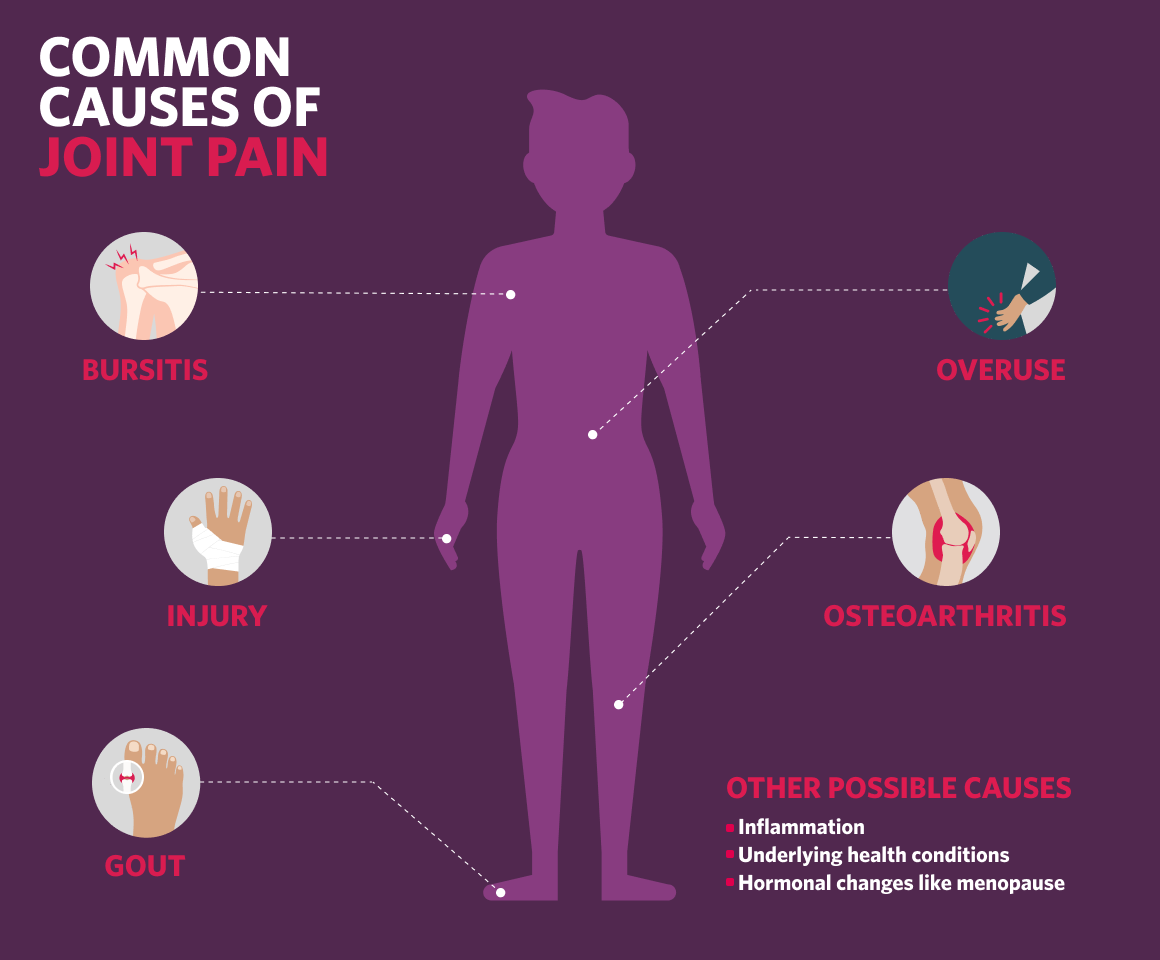
There are many conditions that can cause joint pain, including:
- gout
- injury
- overuse
- inflammation
- underlying health conditions
- bursitis
- hormonal changes
- rheumatoid arthritis
- osteoarthritis.
Joint pain during menopause is also common, as falling oestrogen levels can affect the health of your joints and surrounding tissues.
Symptoms of joint pain can include:
- aching, soreness or pain in and around the joints
- stiffness, especially after waking up or sitting still for a while
- swelling or tenderness around the joint
- reduced range of movement or difficulty moving the joint normally
- warmth or redness around the affected area (more common with inflammation)
- clicking, grinding or cracking sensations when moving the joint
- weakness or instability in the joint
- pain in one particular area like the knee or hip.
What is osteoarthritis?
Osteoarthritis is a condition that occurs when a joint becomes inflamed and damaged, causing pain, stiffness and reduced movement. It can affect the whole joint and surrounding tissue, including cartilage, bone, ligaments, tendons and muscles.
Another type of arthritis, rheumatoid arthritis, affects about 2% of Aussies and is often diagnosed in people between the ages of 30 and 60. But there are several key differences between osteoarthritis and rheumatoid arthritis.
“Osteoarthritis is a condition in which the cartilage breaks down, leading to joint pain. But rheumatoid arthritis is an autoimmune disease that causes inflammation in the body, most commonly presenting as pain and stiffness in the small joints of the hands and feet,” says Clinical Associate Professor Helen Keen, President of the Australian Rheumatology Association.
“Any joint can be affected by osteoarthritis, but the most common joints are the base of the thumb, the small joints of the hand, the knees, the hips and the spine.”
While osteoarthritis can affect people of all ages, the risk increases with age. Other risk factors include genetics, previous joint damage and obesity.
“You should see your GP if joint pain persists for several weeks, is getting worse or is affecting your daily activities,” says Prof Keen.
Early assessment can help to confirm what’s causing your symptoms and explore osteoarthritis treatment options to manage pain and improve movement.
How is osteoarthritis diagnosed?
It’s common for GPs, physios and exercise physiologists to diagnose osteoarthritis.
Osteoarthritis is usually diagnosed based on your symptoms, medical history and a physical examination of the affected joint.
Your doctor may check your joint movement, look for swelling or tenderness and ask about your symptoms and how they affect your daily life.
In some cases, imaging tests like an X-ray may be used to help confirm the diagnosis or rule out other causes of joint pain, but they aren’t always needed.
How to manage osteoarthritis joint pain
Finding osteoarthritis pain relief often involves a combination of treatments, lifestyle changes and self-care strategies.
Exercise and movement
“Low-impact exercise is strongly recommended for people with osteoarthritis, as it may lead to joint pain relief and improved function,” says Prof Keen.
“Exercise is generally safe, but the type of exercise and regularity needs to be tailored to the individual. It’s most likely to be effective if it’s combined with other management strategies, such as lifestyle changes and self-care.”
Prof Keen’s recommended exercises for osteoarthritis include low-impact activities like walking, swimming and cycling to improve muscle strength, joint stability and flexibility. Plus, incorporating a few sessions of strength training into your week can help to maintain muscle mass and bone strength, as well as balance and mobility. A physio or exercise professional could help create a tailored program and should be consulted before you make any changes to your exercise routine.
Eligible HCF members can access a range of joint health programs, which provide personalised guidance, exercise support and practical strategies to improve movement and reduce pain.
- Get 100% back* on your first visit to a physio through HCF’s No-Gap network.
- Access the GLA:D® Program for Osteoarthritis through the HCF No-Gap GLA:D® Knees Program with no gap to pay^. The GLA:D® Program for Osteoarthritis has been designed to help knee osteoarthritis symptoms by reducing pain, improving strength and mobility, and helping to avoid or delay the need for knee replacement surgery+. Participants receive exercise and education sessions, and consultations to help you get back to staying healthy and active. Check your eligibility here.
- Try HCF Health Coaching for Knee Osteoarthritis for personalised nutrition advice, exercise plans and lifestyle support from experienced health coaches to help you manage knee osteoarthritis at home#. Start the eligibility survey here.
Weight management
Carrying extra weight can place additional stress on weight-bearing joints like the knees and hips, which may contribute to cartilage breakdown and increase pain.
“Carrying extra weight can affect the body in other ways, too, including increasing inflammation and changes in how the body processes energy, which may affect joint health and overall wellbeing,” says Prof Keen.
Maintaining a healthy weight can be made easier with the Osteoarthritis Healthy Weight for Life program**, which provides guidance around nutrition, healthy habits and ongoing support to help manage symptoms and joint health.
Self-care and lifestyle
“Lifestyle changes are a key part of managing osteoarthritis, and evidence supports the benefits,” says Prof Keen. She offers the following tips:
- Eat a nutritious diet with a mix of whole foods and limited processed foods. Eating patterns like the Mediterranean diet can help reduce inflammation.
- Balance movement with rest to help prevent flare-ups. Break larger tasks into smaller steps, take regular breaks and avoid pushing through significant pain.
- Prioritise good sleep habits. Eligible HCF members with hospital or extras cover^^ can get a free 12-month Sleepfit subscription.
- Manage stress levels. Simple strategies like mindfulness, breathing exercises, spending time outdoors and staying connected with others can all help.
You should always check with your GP before making changes to your diet or doing new exercises.
Medical management
Menopausal and perimenopausal women might be targeted by online ads promoting supplements like magnesium to help reduce inflammation and joint pain. But Prof Keen says it’s worth looking at the evidence before adding supplements to your routine.
“Supplements such as magnesium, fish oils and vitamins D and B are not recommended for joint pain, because there’s limited evidence to show they are effective,” she says.
When to consider surgery
Prof Keen says surgery may be an option if you’ve tried all other non-surgical treatments, like physio and simple pain-relief medicines, but the pain is getting worse and X-rays show significant damage. At this point, your GP can provide a referral to an orthopaedic specialist.
“Surgery has its best results if you are relatively fit and healthy,” she adds. “The goal is to find the right time for surgery before it’s so late that symptoms affect your overall health, or you’re too frail or unwell to recover from surgery properly.”
If your doctor has recommended knee replacement surgery, our No-Gap Joints program gives eligible members peace of mind with no out-of-pocket costs (except hospital excess), from hospital admission through to discharge and post-surgery rehab, for primary hip and knee replacements++, with participating private hospitals and clinicians in NSW, Qld, Vic and SA.
Get support to move with confidence
If osteoarthritis is causing knee pain or limiting your movement, the right support can make a difference. The HCF No-Gap GLA:D® Knees Program is a proven early-intervention program for knee osteoarthritis. It helps reduce pain, improve mobility, and delay or avoid surgery, all at no cost to eligible members^. The program includes assessments, group exercise and education sessions.
Related articles
Why joint pain is worse for women
If your creaky ankles, knees or hips make everyday tasks a challenge, here are some simple ways to ease your joint pain and get your life back on track.
Common causes of hip pain
Hip discomfort is common, and understanding the most likely hip pain causes can help you manage symptoms and stay active.
Knee pain causes explained
From clicking sounds to aching when you run, knees can cause plenty of issues. Learn common knee pain causes and how to manage them.
How to maintain healthy joints
Living an active life is important for your mental and physical wellbeing. Here’s how to look after your joints and muscles during your senior years.
IMPORTANT INFORMATION
* 100% back at More for You program providers in our No-Gap network is available on selected covers. Waiting periods and annual limits apply. Our No-Gap network of healthcare providers changes often. Please check that your provider is part of our No-Gap network before you book or attend an appointment. See hcf.com.au/100back
^ Eligibility criteria apply. For more information, see hcf.com.au/joint-health-programs
+ Source: https://gladaustralia.com.au/
# Eligible members must have held hospital cover for 12 months (excluding Accident Only Basic and Overseas Visitors Health Cover). Clinical eligibility criteria also apply.
** Eligibility criteria apply. For more information, see hcf.com.au/hwfl
^^ Eligibility criteria apply. For more information, see hcf.com.au/sleepfit
++ Eligible members will need to have HCF hospital cover including primary hip and knee replacements for 12 months (excluding Overseas Visitors Health Cover). Members must meet clinical criteria and be accepted into the program by a participating clinician and hospital. You may be required to pay a hospital excess, depending on your cover and if you’re claiming for the first time in the calendar year. There may also be some small permitted gaps and additional costs for outpatient appointments, like a visit to your surgeon in their consulting rooms. Program is only available at participating hospitals for a limited time. For full program terms and conditions, including a list of participating hospitals and program end dates, see hcf.com.au/nogapjoints
This communication contains information which is copyright to The Hospitals Contribution Fund of Australia Limited (HCF). It should not be copied, disclosed or distributed without the authority of HCF. Except as required by law, HCF does not represent, warrant and/or guarantee that this communication is free from errors, virus, interception or interference. All reasonable efforts have been taken to ensure the accuracy of material contained on this website. It’s not intended that this website be comprehensive or render advice. HCF members should rely on authoritative advice they seek from qualified practitioners in the health and medical fields as the information provided on this website is general information only and may not be suitable to individual circumstances or health needs. Please check with your health professional before making any dietary, medical or other health decisions as a result of reading this website.
