
Health agenda
Common hip pain causes and how to manage them
Published January 2026 | 5 min read
Expert contributor: Dr Joanne Kemp, sports and exercise physiotherapist, La Trobe Sport and Exercise Medicine Research Centre
Words by Angela Tufvesson
Key takeaways
- Some of the most common hip pain causes include hip dysplasia, hip impingement, hip osteoarthritis and greater trochanteric pain syndrome (GTPS).
- The fastest way to get hip pain relief is through a diagnosis from your doctor, who can recommend targeted treatment.
- Physiotherapy is often one of the first treatments for hip pain, while surgery is less common.
- Managing your weight can help with hip pain relief, especially if you have hip osteoarthritis.
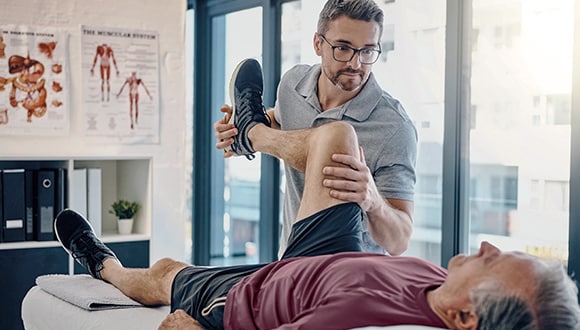
Hip discomfort is common, and understanding the most likely hip pain causes can help you manage symptoms and stay active.
Hip pain is common, affecting people of all ages, and it can make everyday tasks a challenge. Osteoarthritis is one of the most common culprits, particularly if you’re over 50, but there are a number of other health issues that can also cause hip pain.
Understanding these hip pain causes will help you manage symptoms effectively and improve your mobility.
What causes hip pain?
Some of the most common hip pain causes include:
- Hip osteoarthritis: This is a type of arthritis that causes pain, stiffness and reduced movement. It’s more common as you get older, especially among women, as the cartilage that lines your joints wears down over time.
- Hip impingement: Painful pinching inside your hip joint that happens when your hip’s natural shape creates extra friction. The condition also increases the risk of osteoarthritis.
- Greater trochanteric pain syndrome (GTPS): This condition causes pain in the outside of your hip when tendons, which attach the gluteal muscles in your bottom to your hip, become irritated. It’s more common in women and older people.
- Hip dysplasia: This is a condition that occurs when the hip joint doesn’t develop properly, causing it to become dislocated or unstable. If not treated in childhood, hip dysplasia can lead to osteoarthritis as you get older.
Dr Joanne Kemp, a sports and exercise physiotherapist at the La Trobe Sport and Exercise Medicine Research Centre, says women in particular can experience pain from both hip osteoarthritis and GTPS.
“As people get older, hip osteoarthritis becomes more common, and once women enter menopause the loss of oestrogen impacts the collagen quality of the tissues, which can lead to problems in the tendons, particularly the gluteal tendon.”
Other hip pain causes can include:
- bone fracture
- muscle injuries and strains
- lower back problems
- infection.
What is the fastest way to relieve hip pain?
Dr Kemp says the key to hip pain relief is getting an accurate diagnosis from your GP, a physiotherapist or another health professional, so you can target the underlying cause of the pain. “Certain treatments that might be helpful for some causes of hip pain might not be helpful for other causes of hip pain,” she explains.
If you haven’t had a diagnosis, Dr Kemp says activities that “don’t take the hips to extremes of movement can relieve hip pain and improve your general fitness” - like walking and swimming.
Heat and ice packs and over-the-counter pain medication can also help. “They won't potentially cure the cause of pain, but they'll give you some symptomatic relief that will enable you to do more exercise and be more active,” says Dr Kemp.
What are the most effective hip pain treatments?
Because hip pain can stem from different issues, the treatment will vary. Dr Kemp highlights some of the most effective approaches.
Physiotherapy
Physiotherapy is often one of the first treatments for hip pain. A physiotherapist can design a tailored exercise program to improve your strength, flexibility and joint mobility.
“For example, if you want to go back to certain sports, you might need particular strengthening exercises,” Dr Kemp explains. “Our role is very much around helping people stay physically active by giving them specific exercises that are tailored to their particular condition.”
As an eligible member you could see an extras provider in our No-Gap network to get 100% back* on a first visit to a physio.
Weight management
Because your hips are weight-bearing joints, managing your weight can provide hip pain relief. Dr Kemp says this is particularly the case for people with osteoarthritis.
“Managing your weight is a really important component of treatment, and being able to reduce your weight may actually prevent or delay the need for hip replacement in some people.”
The Osteoarthritis Healthy Weight for Life program supports eligible members^ who want to reduce joint pain and improve mobility.
Surgery
Dr Kemp says exercise-based treatment is effective for most people, but in some cases your doctor might recommend surgery.
HCF’s No-Gap Joints program gives eligible members peace of mind with no out-of-pocket costs from hospital admission through to discharge and post-surgery rehab for primary hip and knee replacements, with participating private hospitals and clinicians in NSW and Vic+.
Just because hip pain is common doesn’t mean you have to live with it. If you’re experiencing new or ongoing pain – especially due to an injury, illness or existing condition – book an appointment with your GP.
Manage your weight for healthier joints
Staying at a healthy weight helps your joints function at their best. If you have osteoarthritis of the knee or hip, HCF’s Osteoarthritis Healthy Weight for Life program supports eligible members^ who want to reduce pain in their joints and improve mobility.
Eligible members# can also access the GLA:D® Program for Osteoarthritis through the HCF No-Gap GLA:D® Knees Program. The GLA:D® Program for Osteoarthritis has been designed to help knee osteoarthritis symptoms by reducing pain, improving strength and mobility, and helping to avoid or delay the need for knee replacement surgery**. Participants receive exercise and education sessions, and consultations to help you get back to staying healthy and active.
Related articles
Why joint pain is worse for women
If your creaky ankles, knees or hips make everyday tasks a challenge, here are some simple ways to ease your joint pain and get your life back on track.
Take care of joints while exercising
Protecting your joints when playing sport can support your wellbeing at every age. Read our tips on caring for your joints while exercising.
Arthritis: don’t ignore aches and pains
Arthritis often starts with joint pain and stiffness. Don’t ignore mystery pangs.
How to look after joints as you age
Why strong muscles and healthy joints are so important to your wellbeing as you age, plus exercise tips for protecting your joints and building muscle strength.
IMPORTANT INFORMATION
* 100% back at More for You program providers in our No-Gap network is available on selected covers. Waiting periods and annual limits apply. Our No-Gap network of healthcare providers changes often. Please check that your provider is part of our No-Gap network before you book or attend an appointment. Visit hcf.com.au/100back
^ Eligibility criteria apply. For more information, visit hcf.com.au/hwfl
+ Eligible members will need to have HCF hospital cover including primary hip and knee replacements for 12 months (excluding Overseas Visitors Health Cover). Members must meet clinical criteria and be accepted into the program by a participating clinician and hospital. You may be required to pay a hospital excess, depending on your cover and if you're claiming for the first time in the calendar year. There may also be some small permitted gaps and additional costs for outpatient appointments, like a visit to your surgeon in their consulting rooms. Program is only available at participating hospitals for a limited time. For full program terms and conditions, including a list of participating hospitals and program end dates, visit hcf.com.au/nogapjoints
# Eligibility criteria apply. For more information, hcf.com.au/no-gap-knees-program
** Source: https://gladaustralia.com.au
This communication contains information which is copyright to The Hospitals Contribution Fund of Australia Limited (HCF). It should not be copied, disclosed or distributed without the authority of HCF. Except as required by law, HCF does not represent, warrant and/or guarantee that this communication is free from errors, virus, interception or interference. All reasonable efforts have been taken to ensure the accuracy of material contained on this website. It’s not intended that this website be comprehensive or render advice. HCF members should rely on authoritative advice they seek from qualified practitioners in the health and medical fields as the information provided on this website is general information only and may not be suitable to individual circumstances or health needs. Please check with your health professional before making any dietary, medical or other health decisions as a result of reading this website.
