
Health agenda
Natural remedies for menopause: evidence-based options
Published March 2026 | 5 min read
Expert contributor: Dr Sonia Davison, endocrinologist, Jean Hailes for Women’s Health
Words by Sabrina Rogers-Anderson
Key takeaways
- Eating more vegetables, fibre, whole grains and phytoestrogens may help ease hot flushes and other symptoms associated with menopause.
- Regular aerobic activity, strength training and yoga may support mood, bone health, weight management and quality of life.
- Hypnotherapy has been shown to relieve symptoms.
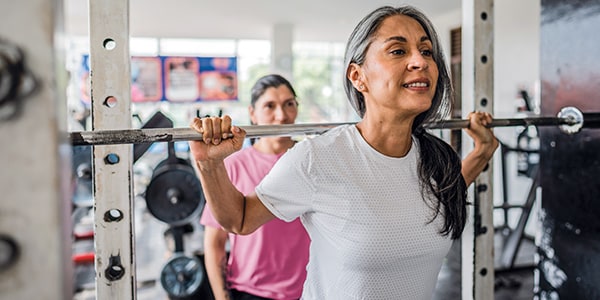
Medication is not the only option to ease menopause symptoms. Explore natural remedies for menopause, from diet and exercise to complementary therapies.
With one-quarter of Australian women aged 45 to 64 reporting that their menopause symptoms can make it difficult to do daily activities, effective menopause treatments are in high demand.
Menopausal hormone therapy (MHT) – formerly known as hormone replacement therapy (HRT) – has been shown to be effective and safe for most women. But when initial findings from the landmark Women’s Health Initiative study published in 2002 suggested that MHT raised the risk of breast cancer and heart disease, many women and doctors were scared away from using and prescribing it. Today, its use remains low despite a major data review confirming MHT doesn’t increase the risk of death from heart disease, cancer or other causes.
A growing number of women are turning to natural remedies for menopause relief. But with so many products and services on the market making bold claims, how can you find natural menopause treatments that really work? These expert-backed strategies can help you sort fact from fiction.
Find menopause relief through diet
While research on menopause diets is limited, several international studies have found certain foods or dietary patterns may help ease symptoms.
- One study found women who ate more vegetables reported less intense menopause symptoms and better quality of life. Meanwhile, women who ate a diet high in ultra-processed foods had more intense symptoms.
- Women who ate a low-fat vegan diet with half a cup of soybeans daily reported a 79% decrease in hot flushes (or hot flashes as they’re sometimes called), compared with 49% in the control group. They also saw improvements in psychosocial, sexual and other menopause symptoms.
- Research also found menopausal women who ate high-quality carbohydrates – particularly those rich in fibre and whole grains – had less severe symptoms and better quality of life.
Dr Sonia Davison, an endocrinologist at Jean Hailes for Women’s Health, says there isn’t enough evidence yet to recommend particular foods for menopause relief, but notes that many of the foods mentioned above are a crucial part of a healthy diet in midlife, regardless of their impact on symptoms.
“Some women in countries that have a diet rich in phytoestrogens [found in soy products, legumes, seeds, grains, fruits and vegetables] report less hot flushes and sweats,” she says. “During midlife and beyond, fibre is important for bowel and cardiovascular health and soy has been linked with lower blood pressure.”
Staying fit is a natural menopause treatment
“There’s a lot of debate as to whether exercise directly helps reduce menopausal symptoms, but some studies suggest that some activities can have a minor effect on reducing hot flushes and sweats,” says Dr Davison.
“That said, the benefits for general health, mood, cardiovascular health, bone health, weight maintenance and even reduction in breast cancer risk are clear. Women should try to do some regular brisk activity they enjoy for around 150 minutes per week.”
Relieve hot flushes by avoiding certain foods
“Spicy foods, hot drinks and alcohol can trigger hot flushes and sweats,” says Dr Davison. “Avoiding or minimising these triggers may help.”
You can reset your alcohol habits by downloading the Daybreak app*, an online behaviour change program that provides 24/7 digital support and connects users with a like-minded online community. The app is available to all Australians for free, plus eligible HCF members can also be referred to additional mental health support.
Maintaining a healthy weight can help
“Excess weight may act as an insulator, like wearing a puffer jacket, which may be linked with some women feeling hotter at menopause,” says Dr Davison. “So, maintaining a healthy weight could potentially be beneficial for hot flushes and sweats.
“Women should follow a diet that keeps their weight to a healthy level for their height. There are no set rules and different strategies work for different people, but some women will need to reduce carbohydrates and portion sizes if they wish to avoid midlife weight gain.”
Eligible members can get free or discounted access to several evidence-based weight management programs – including the CSIRO Total Wellbeing Diet^ – that includes nutritional guidance and exercise plans. CSIRO also offers the Menopause Diet Plan designed to provide optimal nutrition for women to thrive during this major life phase.
Want to find out more about how to manage your menopause symptoms through diet? Listen to episode 5 of HCF’s Menopause Matters podcast.
Strength training builds muscle and bone strength
A 2023 research review concluded that strength training during menopause can improve strength (particularly in the legs and pelvic floor), bone density, hormonal and metabolic levels, heart rate, blood pressure and hot flushes.
Aerobic exercise improves mental health and quality of life
Regular aerobic exercise (cardio) was found to improve menopausal women’s mental health, vitality and quality of life in a 2025 research review. It also eased other symptoms of menopause, but there was not enough evidence to show it helped with hot flushes.
Yoga as a holistic treatment for menopause
Women who practised yoga for 20 weeks saw their menopause symptoms decrease and experienced a significant improvement in overall sleep quality.
Need help with sleep? Eligible HCF members+ can get a free 12-month subscription to the Sleepfit app, designed to improve sleep and overall wellbeing.
Try therapy and counselling for menopausal mood changes
“Cognitive behavioural therapy can be useful for management of hot flushes, sleep and mood,” says Dr Davison. “It’s one of the main strategies that can help with mood changes, anxiety and depression, but different women will be suited to different approaches.”
HCF’s wide range of mental health services# can help you get back on top. You can have a free annual online HealthyMinds Check-in with a psychologist#. Plus, you can claim on evidence-based online therapy programs (including cognitive behavioural therapy) through our partnership with THIS WAY UP depending on your extras cover and up to your annual limit#.
Complementary therapies and alternative remedies for menopause
You may see ads on social media promoting supplements or therapies that claim to ease menopause symptoms or support weight loss, but always check with your GP or another health professional before trying them.
Hypnotherapy for menopause relief
“Hypnotherapy is one complementary therapy that has been shown in research studies to benefit menopausal symptoms,” says Dr Davison. “It can be useful for mood, sleep and management of hot flushes. Some studies of acupuncture show a benefit for hot flushes, but many do not.”
Creatine shows promise for several symptoms
Long known as a muscle-building supplement for gym goers, creatine is emerging as a possible tool in supporting healthy ageing and menopause. Recent research in menopausal women has shown it may help maintain muscle mass and strength and bone health (especially when combined with strength training), enhance cognitive function, improve mood and depressive symptoms, and reduce inflammation.
Black cohosh may help with hot flushes
“The only herbal treatment to consistently show a benefit for hot flushes is black cohosh,” says Dr Davison. “Other complementary treatments may have a placebo effect in some individuals, but the evidence doesn't suggest a net benefit.”
Dr Davison adds it’s important to seek advice from a GP before taking any alternative treatments or herbal remedies. “They can interact with other medications and have particular risks, such as a very rare and contentious risk for liver disease with black cohosh.”
Get the menopause help you need
No matter how mild or severe your menopause symptoms, you should talk to your GP. Timely and tailored support is available to you through our partnership with GP2U, an online video GP service. Eligible HCF members** with health cover can access a standard GP consultation (up to 10 minutes) for a fee of $50 and eligible rural and remote members** can get access to a free annual 15-minute online GP consult with appointments available seven days a week, 7am to 10pm.
Tune into our Menopause Matters podcast
Join host and author of Queen Menopause Alison Brahe-Daddo as she unpacks the experience of this life-changing yet entirely normal part of life. Learn some of the best ways to manage your symptoms and navigate your career, mental health and relationships during this time, plus discover the joys of life post-menopause.
Listen to Menopause Matters here or on your device through Apple Podcasts and Spotify.
Related articles
Menopause weight gain explained
Menopause weight gain and a drop in sex drive are common. There’s lots you can do about it, here are your options.
Making sex enjoyable during menopause
Irritability, poor sleep and pain can all impact your desire for sex at this time. Here’s what you can do.
The mental toll of menopause
From self-care to medication, here’s how to get help with those effects of menopause that can take a toll on your mental health.
High-fibre recipes
Eating more soluble fibre can play a significant role in reducing menopausal symptoms. Adding more fibre to your diet is easy with this high-fibre pumpkin ravioli.
IMPORTANT INFORMATION
* For more information, see hcf.com.au/daybreak
^ Eligibility criteria apply. For more information, see hcf.com.au/csiro-total-wellbeing-diet
+ Eligibility criteria apply. For more information, see hcf.com.au/sleepfit
# Eligibility criteria apply. For more information, see hcf.com.au/mental-support
** Eligibility criteria apply. For more information, see hcf.com.au/gp2u
This communication contains information which is copyright to The Hospitals Contribution Fund of Australia Limited (HCF). It should not be copied, disclosed or distributed without the authority of HCF. Except as required by law, HCF does not represent, warrant and/or guarantee that this communication is free from errors, virus, interception or interference. All reasonable efforts have been taken to ensure the accuracy of material contained on this website. It’s not intended that this website be comprehensive or render advice. HCF members should rely on authoritative advice they seek from qualified practitioners in the health and medical fields as the information provided on this website is general information only and may not be suitable to individual circumstances or health needs. Please check with your health professional before making any dietary, medical or other health decisions as a result of reading this website.
