
Health Agenda
Body fat percentage: What it can (and can’t) tell you
Published November 2026 | 5 min read
Expert contributor: Dr Helena Popovic MBBS, author and weight management expert
Words by Sabrina Rogers
Key takeaways
- Body fat percentage measures how much of your total body weight is made up of fat.
- BMI, body fat percentage and waist circumference each provide different information about your weight, body composition and potential health risks.
- No single measure tells the whole story.
- High levels of visceral (deep abdominal) fat are associated with an increased risk of chronic disease.
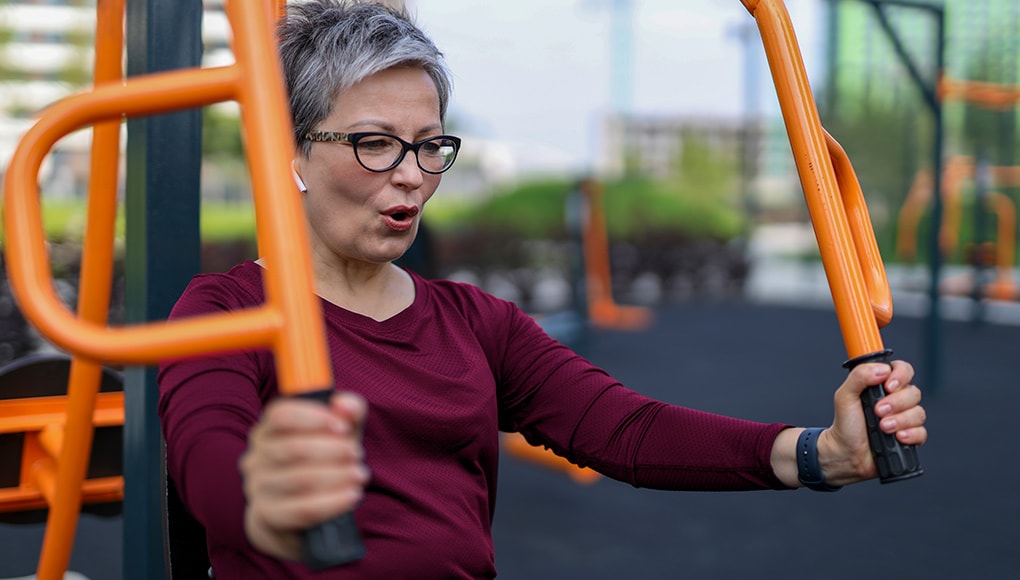
Numbers on the scales only tell part of your health story. Find out what your body fat percentage, BMI and waist circumference can reveal.
You've probably heard about body fat percentage – the proportion of your total body weight that’s made up of fat. It’s sometimes used as a measurement tool to help assess whether you’re a healthy weight.
While Australia doesn't have clinical guidelines defining the body fat percentage that is healthy for everyone, the US Obesity Medicine Association (OMA) provides body fat percentage ranges for adult men and women. These figures can offer useful information about body composition, as long as they aren’t viewed in isolation.
The truth is that no single tool measuring weight or body composition provides a complete picture of someone's health. Body weight and body mass index (BMI) don’t distinguish between fat and muscle, while body fat percentage doesn’t reveal where fat is stored. So, figuring out whether your weight is affecting your health requires looking at a few different measures.
What is a healthy body fat percentage?
“Body fat percentage is the amount of fat in your body compared to your lean mass, which includes muscle, bone and water,” explains Dr Helena Popovic MBBS, author and weight management expert. She points out body fat levels that are considered healthy can vary significantly – from around 10% to 29% – depending on your gender and level of physical activity.
A DEXA scan (also called a bone density scan) can measure body fat percentage and provide a detailed breakdown of your body composition, including the amount of lean tissue and fat tissue. But Dr Popovic notes it’s expensive and you can’t do it at home.
She says many gyms offer body analysis scans, or you can buy portable devices – bioelectrical impedance scales – to use at home. “They measure your body composition, including your body fat percentage, by sending a little electrical current through your body,” she explains. “You should measure yourself at the same time every day and not right after a workout or a meal.”
Bioelectrical impedance scales are more useful than regular bathroom scales because they tell you more than just your weight.
“But the one thing they don’t do is tell you where your body fat is distributed, so you won’t know if you have a lot of visceral fat, which is the deep abdominal fat that surrounds your organs,” says Dr Popovic. “Visceral fat releases inflammatory cytokines [small proteins] that increase the risk of chronic diseases, including type 2 diabetes, heart disease and dementia.”
When selecting a smart scale, remember to read reviews or talk to a health professional and do your research, rather than relying on the manufacturer’s claims alone. Research has found that commercially available options are reasonably accurate for body weight but are less reliable for measuring body composition. Keep this in mind and consider using the scales to track changes over time rather than as an accurate measure of your overall health.
The OMA Clinical Practice Statement outlines a body fat percentage chart for adults according to age and several other factors. Below is their guide for men and women.
Body fat percentage ranges for women
- Athlete (very fit): 15 to 19%
- Fitness (good fitness level): 20 to 24%
- Acceptable (healthy): 25 to 29%
- Pre-obesity: 30 to 34%
- Obesity: 35% or more
Body fat percentage ranges for men
- Athlete (very fit): 10 to 14%
- Fitness (good fitness level): 15 to 19%
- Acceptable (healthy): 20 to 24%
- Pre-obesity: 25 to 29%
- Obesity: 30% or more
Body fat percentage vs BMI vs waist circumference
How does body fat percentage compare with other commonly used tools to measure weight and body composition?
BMI
BMI is your weight in kilograms divided by your height in metres squared. It has been used to classify overweight and obesity for decades, but a 2025 global report questioned its accuracy and proposed a new approach to diagnosing obesity.
Healthy BMI ranges for adults can vary depending on factors like age, ethnicity, pregnancy and levels of lean body tissue. The standard classifications are:
- less than 18.5: underweight
- 18.5 to 24.9: healthy weight
- 25 to 29.9: overweight but not obese
- 30 to 34.9: obese class I
- 35 to 39.9: obese class II
- 40 and above: obese class III.
“The main problem with BMI is that it can’t tell the difference between muscle and fat,” says Dr Popovic. “So, a very muscular person can have a high BMI even though they have very low body fat, because muscle weighs more than fat. It also doesn’t show where the fat is stored on your body, so it can’t tell if you have a lot of high-risk visceral fat.”
Despite these limitations, BMI remains a valuable initial screening tool, but other measures may be needed to get a clearer picture of your health risks.
Waist circumference
“This is arguably one of the most accurate measures of health, especially when combined with BMI,” says Dr Popovic. “You have to place the tape measure around the narrowest part of your waist, halfway between the bottom of your lowest rib and the top of your hip bone, over minimal or no clothing and without contracting your abdominal muscles.”
These are the waist circumferences by gender that may increase the risk of chronic diseases according to the Department of Health, Disability and Ageing.
Men
- Increased risk: 94cm or more
- Greatly increased risk: 102cm or more
Women
- Increased risk: 80cm or more
- Greatly increased risk: 88cm or more
But Dr Popovic notes that these ranges mainly apply to Caucasian people. Men from Middle Eastern or South Asian backgrounds, for example, are considered at risk if their waist measures 90cm or more.
3 measurement tools: How do they compare?
| Tool | Body fat percentage | BMI | Waist circumference |
|---|---|---|---|
| Quick and easy to measure | Depends on method | ✓ | ✓ |
| Distinguishes fat from muscle | ✓ | ✕ | ✕ |
| Provides an indication of abdominal fat | ✕ | ✕ | ✓ |
| Useful for people with high or low muscle mass | ✓ | ✕ | ✓ |
| Can help assess health risk | ✓ | ✓ | ✓ |
| Can be measured at home | Depends on method | ✓ | ✓ |
Signs it might be worth talking to your GP about your weight and overall health
If you notice any of the following signs and symptoms, Dr Popovic recommends making an appointment with your GP to discuss your weight and health risks:
- clothes feel tighter around the waist
- tiredness or sluggishness
- brain fog
- loss of cardiovascular fitness (getting puffed more easily).
While these signs can indicate that excess body fat is affecting your wellbeing, they can also have other causes, so it’s worth discussing them with your GP.
Weight management tips
When helping patients manage their weight, Dr Popovic considers five key areas.
1. Don't just focus on the numbers
“I tell my patients not to focus on reducing the number on the scale or their waist circumference, but instead focus on feeling better and getting fitter, because that influences everything,” she says.
2. Get enough sleep
“Sleep deprivation can affect the hormones that regulate appetite, making you more likely to feel hungry and eat more throughout the day,” says Dr Popovic.
Eligible HCF members* can get a 12-month subscription to the Sleepfit app, designed to improve sleep and overall wellbeing.
3. Manage stress
"Chronic, low-grade stress caused by daily pressures can increase cortisol levels and make it harder to maintain a healthy weight,” says Dr Popovic.
HCF’s mental health programs^ include an online HealthyMinds Check-in for eligible members at no extra cost
4. Move whenever you can
“Any amount of exercise is better than none,” says Dr Popovic. “I travel a lot and don’t always have time for a long workout, but if I have 10 spare minutes, I’ll go to the hotel gym. Those 10 minutes make a difference.”
5. Tweak your diet
Increasing protein and reducing carbohydrates is a good way to manage weight as you age, “but dietary advice is individual and dependent on culture, so I always take that into account”, says Dr Popovic.
Eligible members can get access at a discount or no extra cost to the evidence-based CSIRO Total Wellbeing Diet#, which combines a high-protein, low-GI eating plan with exercise and proven weight management tools. Or, claim on eligible extras cover towards dietitian-led HCF-approved weight management programs**, including the Osteoarthritis Healthy Weight for Life program.
Before starting any new diet, exercise routine or weight management plan, check in with your GP.
Get support to manage your health
Maintaining a healthy weight can have many health benefits, and small, sustainable changes can help you get there. The COACH Program® is a four- to six-month phone-coaching support program provided at no extra cost for eligible members^^ with heart conditions or diabetes. Run by our own trained dietitians, exercise physiologists, nurses and pharmacists, the program is designed to help you with nutrition, physical activity and more – and ultimately improve your overall health and wellbeing. To register your interest, complete the registration form and a member of our Health Concierge team will be in touch with next steps.
Related articles
What is visceral fat?
While hard to see from the outside, hidden or visceral fat can cause health problems. Here are the signs.
Does BMI matter?
Doctors are using body mass index less to assess obesity, as more accurate methods emerge. So, what’s replacing it – and why is BMI falling out of favour?
6 tips to manage weight
Dealing with a slowing midlife metabolism? We look at some of the reasons behind age-related weight gain, plus how to maintain a healthy weight.
Losing weight after 50
As you get older, you might find it becomes harder to lose weight. Here’s what you can do to stay on top of your health after you reach 50.
IMPORTANT INFORMATION
* Eligibility criteria apply. For more information, see hcf.com.au/sleepfit
^ Eligibility criteria apply. For more information, see hcf.com.au/mental-support
+ Available on selected covers. Waiting periods and annual limits apply. You may incur out-of-pocket costs. You should make your own enquiries to determine whether this service is suitable for you. If you decide to use this service, it'll be on the basis that HCF won't be responsible, and you won't hold HCF responsible, for any liability that may arise from that use. For more information, see hcf.com.au/mental-support
# Eligibility criteria apply. For more information, see hcf.com.au/csiro-total-wellbeing-diet
** Before you start any Health Management Program, check you’re on eligible cover and the provider of the program is recognised by us by calling 13 13 34 or visiting an HCF branch.
^^ Eligibility criteria apply. For more information, see hcf.com.au/coach
This communication contains information which is copyright to The Hospitals Contribution Fund of Australia Ltd (HCF). It should not be copied, disclosed or distributed without the authority of HCF. Except as required by law, HCF does not represent, warrant and/or guarantee that this communication is free from errors, virus, interception or interference. All reasonable efforts have been taken to ensure the accuracy of material contained on this website. It’s not intended that this website be comprehensive or render advice. HCF members should rely on authoritative advice they seek from qualified practitioners in the health and medical fields as the information provided on this website is general information only and may not be suitable to individual circumstances or health needs. Please check with your health professional before making any dietary, medical or other health decisions as a result of reading this website.
