
Health agenda
6 outdoor activities to try
Published December 2025 | 5 min read
Words by Tegan Forder
Whether you’re keen to get the kids outside more, make new friends or set a new goal for yourself, these adventurous outdoor activities are worth exploring.
Looking for something fun to do in your downtime? From beaches to bush trails, there are endless opportunities here in Australia to enjoy the great outdoors, lead a more active lifestyle and set yourself new challenges.
Outdoor activities benefit both body and mind. They can help reduce tension and fatigue, while supporting mental health and boosting vitality, enthusiasm and self-esteem. Depending on the activity, outdoor activities can also boost social connections.
But before rushing off to take up your next hobby, it pays to be prepared. You can reduce the risk of injury and associated costs by getting the right equipment, taking a lesson to learn the ropes, and having the right cover in place for peace of mind.
Ready to get started? Here’s the lowdown on six outdoor activities to try, and how to get the best out of them when you’re starting out.
1. Hiking
Hiking can be a great option for a range of ages and fitness levels, making it an ideal outdoor activity to do with kids.
National parks are full of different trails, from beginner-friendly 3km loop walks to a day walk or, if you’re well prepared, an overnight hike.
Before setting off, make sure you have enough water, snacks and sun protection. If you’re hiking in an area with inclement weather (like in Tas), you’ll need extra layers and other supplies. If you’re hiking by yourself, always let someone know when and where you’re going, and when you expect to return.
Some popular places to try include a range of trails in the Blue Mountains in NSW, Wilsons Promontory National Park or the Grampians in Vic, and Flinders Ranges or parts of the Heysen Trail in SA.
To find fellow hikers, HCF’s new Active Locals app can match you with a group.
2. Paddleboarding
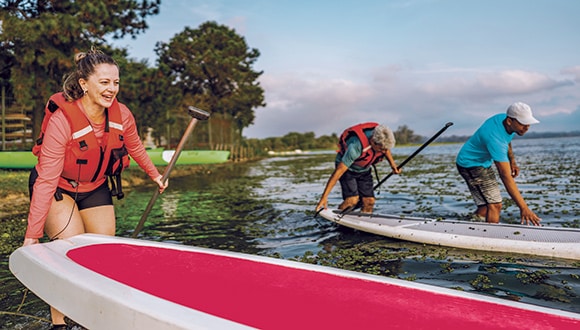
If you’re keen to spend more time in water, stand-up paddleboarding (commonly known as SUP) might be for you. This popular activity combines balance and strength for a full-body workout. Suitable for most ages and fitness levels, it’s a fun and accessible way to get the whole family out enjoying the water.
It’s a good idea for beginners to start on calm water with a stable board, ideally after a lesson to learn the basics. Wear a lifejacket, use a board leash, check weather and water conditions, and don’t forget sun protection.
Once you’ve found your balance, you can take SUP further – from practising yoga on your board to paddling with your dog. There are plenty of hire spots and clubs offering lessons and tours around the country, so you’ll be paddling on rivers, lakes or down at the beach in no time.
3. Triathlon
For those motivated by chasing a personal best (PB), a triathlon, which combines a swim, cycle and run, is the ultimate test of endurance.
If you’re comfortable with all three stages, you can do the whole race yourself, or tackle one of them as part of a team. If you’re taking on the whole event, practise combining the legs back-to-back and get in some open-water swims, because ocean or lake starts can be daunting.
A good bike will make a big difference, and while clip-in shoes can improve speed, they can take a bit of getting used to. Get across the rules of your event so you aren’t inadvertently disqualified, particularly when navigating transitions between the different stages.
Hydration and nutrition are key – have gels, lollies or electrolyte drinks on hand, especially for races held over the spring and summer months.
Start small with triathlon series in your area to build your confidence and time.
4. Mountain biking
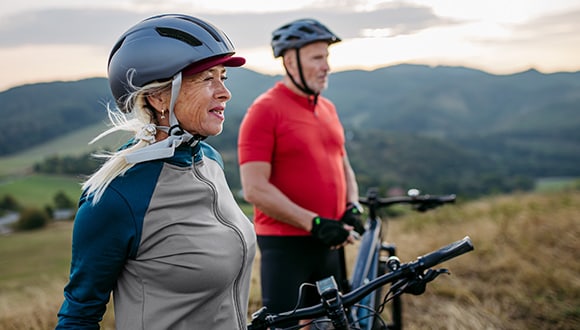
Delivering a rush of adrenaline while building strength, stamina and coordination, mountain biking challenges you physically and mentally.
Start by renting a bike or getting a basic pair of wheels, making sure it’s properly fitted to your size. Most trail networks are graded from beginner to advanced, which makes it easier to choose a track that matches your level. Build your confidence on dirt tracks before tackling longer or more technical routes.
Carry a repair kit, pump and spare tube for unexpected punctures, and abide by trail etiquette by respecting signage and shared paths. Falls are inevitable, so wearing a helmet is a must, while gloves, long sleeves and pants can help protect against scrapes. Whether you’re tackling unknown terrain or competing in a race, you can get cover for a range of accidental injuries for mountain biking from Flip*.
Australia has some fantastic mountain bike trails, including in the Stromlo Forest Park in the ACT, Blue Derby in Tas, the You Yangs Regional Park in Vic, Thredbo in NSW, and the Munda Biddi Trail in WA.
5. Ultimate frisbee
If you want to get active outdoors in a team, ultimate frisbee is a fast-paced, non-contact sport similar to touch football, where the aim is to get the disc up the field into the endzone. It’s fun and inclusive, and caters to most fitness levels, combining jogging, running and pivoting.
It’s also perfect for beginners, because you can start by getting comfortable with throwing and catching, then build strategy around zones, direction and movement. Games are usually played five or seven a side, and teams can be mixed or gender specific.
The game is self-umpired, with a strong focus on team spirit and fair play, and a Spirit of the Game award given out at many tournaments.
There are plenty of opportunities to get involved with summer beach leagues, games in community parks and Ultimate Australia competitions in major cities.
6. Skiing and snowboarding
Australia’s snow season may be short, but families can enjoy a range of activities in our alpine regions. Skiing and snowboarding help to build leg strength, balance and cardiovascular fitness, while offering the thrill of gliding down the slopes.
Ideally, before going solo, beginners should start with a lesson from a qualified instructor to learn the basics of technique, safety and how to navigate lifts.
To keep costs down, hire gear like skis, snowboards, boots, poles, a helmet and waterproof clothing from local rental stores. For hygiene reasons, you’ll need to bring your own gloves and goggles. Helmets are essential for both skiing and snowboarding, while snowboarders may want the extra protection of wrist guards and padded shorts.
Be prepared for the alpine environment – wear layers, apply sunscreen, stay hydrated and take breaks to avoid fatigue. Check daily snow reports and weather conditions, and stick to trails suited to your ability level.
Australia’s main snowfields include Thredbo and Perisher in NSW, Falls Creek and Mt Hotham in Vic, Corin Forest in the ACT and Ben Lomond in Tas.
Whichever activity you choose, it’s important to stay safe and reduce your risk of injury with the right equipment and know-how. It's also worth looking at accidental injury cover for added peace of mind – just in case.
Avoid out-of-pocket costs from sports injuries
We might be an adventure-loving country, but Australians spend millions each year on hospital bills stemming from sports injuries. That’s why we created Flip* – so you can have peace of mind with short-term personal insurance for you or your kids. A cash payout from Flip can help with unforeseen costs that come from an injury like transport, days off work and gap fees for medical bills.
Related articles
Why we need outdoor physical activity
It’s important to keep active for our physical and mental health. Get busy with our five ideas for outdoor fitness activities.
7 active family holidays
Travel near or far, get fit and spend time with your loved ones on one of these active family holidays.
Skiing for beginners
Never been skiing before? Here’s what you need to know to plan your first ski holiday in Australia.
Local Australian getaways
Holiday at home this year and enjoy Australia’s amazing natural environment.
IMPORTANT INFORMATION
* HCF Life Insurance Company Pty Ltd ABN 37 001 831 250, AFSL 236 806 (HCF Life) is the issuer of Flip Insurance. Please read the relevant PDS and Target Market Determination (TMD) available at getflip.com.au, and consider whether this product is appropriate for you.
This communication contains information which is copyright to The Hospitals Contribution Fund of Australia Limited (HCF). It should not be copied, disclosed or distributed without the authority of HCF. Except as required by law, HCF does not represent, warrant and/or guarantee that this communication is free from errors, virus, interception or interference. All reasonable efforts have been taken to ensure the accuracy of material contained on this website. It’s not intended that this website be comprehensive or render advice. HCF members should rely on authoritative advice they seek from qualified practitioners in the health and medical fields as the information provided on this website is general information only and may not be suitable to individual circumstances or health needs. Please check with your health professional before making any dietary, medical or other health decisions as a result of reading this website.
