
Health agenda
Dental care for every age and life stage
Published January 2026 | 5 min read
Expert contributor: Dr Victoria Capp, HCF Dental Centre Network Clinical Manager
Words by Trudie McConnochie
A healthy smile starts at a young age. Read a dentist’s advice on dental care from babyhood through to the senior years.
Brushing your teeth every day might feel like second nature, but most people could benefit from a refresher course on dental care. The 2024 Oral Health Tracker found only 53% of Australian adults brushed their teeth twice a day, and just 48.8% of adults had been for a dental check-up in the previous 12 months.
“Everyone should visit the dentist twice a year, or more often if they have health conditions or their dentist recommends it,” says Dr Victoria Capp, HCF Dental Centre Network Clinical Manager.
Parents are often confused about how to look after their children’s teeth, too. According to a 2025 survey by the Australian Dental Association, most parents take their child for their first visit to the dentist later than they should.
To help you keep up with regular check-ups, members who go to an HCF Dental Centre or More for Teeth provider get 100% back on a range of common diagnostic and preventive services, depending on their level of cover and annual limits*.
While regular check-ups play a crucial role in preventing decay, treating emerging issues before they become painful and spotting early signs of conditions like mouth cancer, good oral health also starts with the right daily habits. Dr Capp shares her advice for every age and life stage.
Babies and toddlers
The Australian Dental Association says kids should have their first dental visit when their first tooth comes through (which usually happens between six and 10 months old) or by the age of one – whichever comes first.
Once that first tooth comes through, it’s time to start brushing with a soft, infant-sized toothbrush and water. Switch to a pea-sized amount of low-fluoride toothpaste after the age of 18 months.
Once kids have two or more baby teeth side by side, they can start flossing. By the time they’re two or three, you can encourage them to brush their own teeth, then finish the job for them.
Dr Capp says the biggest risk at this age is ‘nursing caries’ – a type of decay that can occur when babies are settled to sleep with a bottle of milk or formula or if they consume high-sugar foods and drinks. So, avoid giving babies and toddlers fruit juice, soft drinks and sugary foods, and try not to let your child fall asleep with a bottle.
As your child enters toddlerhood, bringing them along to your own dentist appointments can help them get comfortable with dental care, says Dr Capp. “Lots of kids will come with their parents and watch, and they might have a little ride on the chair. That familiarity of going to the dentist routinely takes away any fear factor.”
Watch this video to find out how oral health therapists at HCF Dental Centres can help kids manage their dental anxiety.
Dental care for primary school-aged kids
Permanent (secondary) teeth appear between six and 13 years of age.
By now, your child should have a good toothbrushing routine. Teach them to brush all sides of each tooth and gums with a small circular motion for a total of 2 minutes. Switch to adult fluoride toothpaste once they’re six, using just a pea-sized amount, and make sure they spit it out afterwards (without rinsing).
Dr Capp says minimising sugary foods and drinks is key to reducing the chances of decay in kids’ teeth. Sugar feeds the bacteria that live on all teeth, producing acid that dissolves enamel, which can lead to cavities. Common high-sugar snack foods include biscuits, muesli bars, chocolates, lollies and cakes.
Eligible HCF members^ can access the Healthy Families for Life program, which has resources to support kids developing positive nutritional habits from birth to teens.
Dental care for tweens and teens
Kids in this age group aren’t always known for good health habits, so be alert to signs they aren’t brushing their teeth twice a day for the recommended 2 minutes. Unused toothbrushes or bad breath are a couple of red flags to watch for.
Sugar continues to be a major culprit of dental issues in the tween and teen years, says Dr Capp. “The high risks would be energy drinks and soft drinks,” she notes. “Kids are doing a lot more sport and picking up sporting drinks, which are loaded with sugar.”
As your kids reach this age, ask your dentist whether your child needs a referral to an orthodontist, so any structural issues like an overbite or crowding are detected and can be treated early.
Dental care in your 20s and 30s
Maintain good dental habits: continue brushing twice a day, floss regularly and minimise your intake of sugary and acidic foods. According to the Oral Health Tracker, 47.8% of adults consume too much sugar.
Don’t forget that alcohol also contains sugar, says Dr Capp, adding, “Vapes haven’t been around long enough for us to know the long-term effects. But there’s no good that comes from vaping, and it will affect the gums.”
And despite what influencers on social media might say, drinking lemon water in the morning is bad for your teeth, says Dr Capp. The citric acid dissolves the enamel on teeth, which can lead to tooth discolouration and chips or breakages.
Dental care during pregnancy
It’s a good idea to schedule a dental check-up if you become pregnant. Pregnancy-related hormones can increase your likelihood of gingivitis, a form of gum disease that causes swollen or bleeding gums. Regular brushing is important for both preventing and treating gingivitis, but go gently if it causes pain.
“If you’ve got a lot of morning sickness, then you’re going to have a lot of acid in your mouth, and that can cause dental erosion,” adds Dr Capp.
Don’t brush your teeth after vomiting, as this can erode tooth enamel. Instead, rinse with water after you're sick and apply a little fluoride toothpaste to your teeth with a finger.
Dental care in your 40s and 50s
Certain medications can lead to a thickening of the tongue surface. Brush your tongue to reduce bacteria build-up. Ask your dentist if you’re showing evidence of grinding, which may happen due to stress. If so, you may benefit from having a splint fitted to wear at night.
“Quite a common side effect of a lot of medication these days is dry mouth, which means you’ve got less saliva, and that can cause more decay,” says Dr Capp.
Chewing sugar-free gum can help to increase your saliva flow.
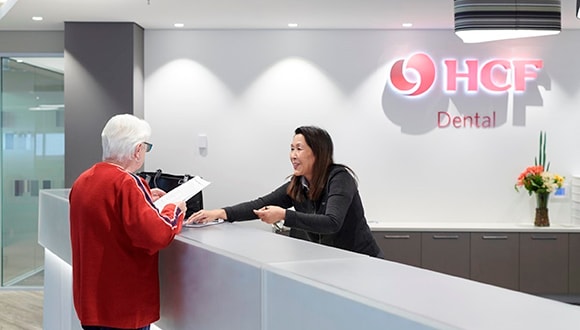
Dental care in your 60s and beyond
Ask your dentist about implants for broken or cracked teeth. They can also examine your mouth and lips for signs of oral cancer, like small lumps, mouth bleeding and white or red patches.
If you have dentures, make sure to brush them once daily and place them in water overnight. Have your dentist check they fit properly and examine them for cracks.
If you’re caring for someone in their senior years with health issues that might affect their oral hygiene, chat to a dentist about how you can support them.
“They may have decreased dexterity, which means they can’t brush their teeth as well,” says Dr Capp. “And if they have dementia, they may not be remembering to brush their teeth, which affects oral health.”
Book your free dental check-up
We understand many members avoid the dentist because they’re worried about out-of-pocket costs. Through our No-Gap Dental program, members who go to an HCF Dental Centre or More for Teeth provider get 100% back on a range of common diagnostic and preventive services, depending on their level of cover and annual limits*. Plus, with HCF’s BookNow 24/7 online booking tool, you can schedule dental appointments with selected dental providers.
Related articles
Kids' dental care
Looking after your kids’ teeth from a young age helps establish good dental habits. From flossing to braces, here’s what parents need to know about dental care for kids.
Tooth pain, aches and sensitivity
Whether it’s a mild ache or a bit of sensitivity, understanding the cause of tooth pain is the first step to feeling better.
5 benefits of dental check-ups
Regular visits to your dentist can help you avoid dental decay, fear of the dentist and even keep your heart healthy.
Understanding dental anxiety
Good dental health impacts our general wellbeing, which is why overcoming dental anxiety is so important. Here are some expert tips to give you something to smile about.
IMPORTANT INFORMATION
* 100% back at More for You program providers in our No-Gap network is available on selected covers. Waiting periods and annual limits apply. Our No-Gap network of healthcare providers changes often. Please check that your provider is part of our No-Gap network before you book or attend an appointment. See hcf.com.au/100back
^ Eligibility criteria apply. For more information see hcf.com.au/healthyfamilies
This communication contains information which is copyright to The Hospitals Contribution Fund of Australia Limited (HCF). It should not be copied, disclosed or distributed without the authority of HCF. Except as required by law, HCF does not represent, warrant and/or guarantee that this communication is free from errors, virus, interception or interference. All reasonable efforts have been taken to ensure the accuracy of material contained on this website. It’s not intended that this website be comprehensive or render advice. HCF members should rely on authoritative advice they seek from qualified practitioners in the health and medical fields as the information provided on this website is general information only and may not be suitable to individual circumstances or health needs. Please check with your health professional before making any dietary, medical or other health decisions as a result of reading this website.
