
Health agenda
Injury prevention during exercise: 6 smart habits
Published February 2026 | 5 min read
Expert contributor: Michelle Smith, Associate Professor in Physiotherapy at The University of Queensland's School of Health and Rehabilitation Sciences
Words by Sabrina Rogers-Anderson
Key takeaways
- In 2023 and 2024, 62,100 sports injuries led to hospitalisation in Australia.
- Injury prevention is a crucial part of any sport or exercise program.
- You can help prevent or reduce sporting injuries by gradually increasing your load, prioritising sleep, fuelling your body adequately, warming up and cooling down, looking after your joints and ligaments, and listening to your body.
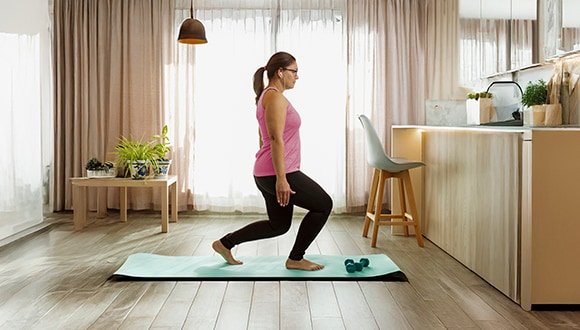
Don’t let sports injuries get in the way of your fitness goals. Our expert injury prevention tips will help keep you on track and pain-free.
With 62,100 sports injuries leading to hospitalisation in Australia in 2023–24, injury prevention is crucial for anyone who enjoys staying active.
But how can you strike the right balance between pushing yourself hard enough to improve your fitness and steering clear of sprains and strains? Here’s what you need to know about how to prevent a sports injury.
What are the most common exercise and sports injuries?
Between 2023 and 2024, the most common sporting injuries requiring hospitalisation across all age groups were:
- hip and lower limb, excluding ankle and foot (28.3%)
- shoulder and upper limb, excluding wrist and hand (24.6%)
- head and neck (17.8%)
- wrist and hand (13.2%)
- trunk (9.6%)
- ankle and foot (4.8%).
“Ankle sprains are one of the most common injuries across most field and court sports, whereas hamstring strains are really common in sports that have high-speed running or kicking,” says Michelle Smith, Associate Professor in Physiotherapy at The University of Queensland's School of Health and Rehabilitation Sciences.
“When it comes to everyday athletes, tendon injuries can happen when people increase their training load [volume and intensity] too quickly. Anterior knee pain [in the front and centre of the knee] is also a very common injury.”
6 ways to prevent sports injuries
Wondering how to prevent ACL injury, how to avoid knee injury when running or how to prevent ligament injuries? Assoc Prof Smith suggests these six tips.
1. Gradually increase your training load
“One of the big risk factors for getting injured regardless of the type of activity is either doing too much too soon or starting at a low level and suddenly ramping up how often or how hard you train,” says Assoc Prof Smith. “If you don’t give your body a chance to gradually adapt to an increase in load, you risk injury.”
There’s no magic formula for how quickly you can increase your training volume or intensity, but you should take it slower if you’re brand new to exercise. “Someone who is returning to training after some time off may be able to progress faster than someone who’s just starting,” Assoc Prof Smith explains.
2. Prioritise sleep
Getting enough sleep – seven to nine hours a night – helps your body recover from exercise by allowing your heart to rest and your muscles and cells to repair.
“Lack of sleep is one of the big risk factors for sports injuries, because sleep helps your body recover and adapt to the exercise you’ve done,” says Assoc Prof Smith.
3. Fuel your body
Many people make the mistake of not eating enough to fuel their bodies when they’re training.
“Women who are going back to exercise after having a baby or who are breastfeeding are particularly at risk because they often don't realise how much energy their bodies are expending,” says Assoc Prof Smith.
“If you’re not giving your body enough energy for exercise through food, it will break down other tissues to get the energy it needs and put you at risk of injury. A dietitian can be a great resource to help you get the right balance of energy in, energy out to maintain a healthy weight and protect yourself from injury.”
4. Warm up and cool down
Warm-ups and cool-downs help your body ease into and out of an exercise session. Done properly, they’re particularly beneficial for your heart, blood vessels and breathing – but while they may help to reduce muscle soreness after exercise, there's limited evidence of their effectiveness in actually preventing injuries.
Stretching, for example, can reduce muscle stiffness and improve your flexibility and range of motion (how far your joints can extend and flex in any direction).
If you like to include stretching in your warm-up or cool-down routine, research suggests dynamic stretching – using slow, controlled movements – might be best.
“Many sports – including AFL, soccer and netball – have recommended injury prevention programs,” says Assoc Prof Smith. “They usually consist of dynamic movements, some balance work and some muscle strength and endurance work. There’s evidence that injury prevention programs can reduce injuries when they’re done properly and consistently.”
5. Look after your joints and ligaments
Protecting your joints and ligaments from sporting injuries can significantly reduce your risk of developing arthritis in the future.
“About 80% of ankle osteoarthritis cases are post-traumatic, meaning they occur in people who have had a previous ankle sprain or ankle fracture,” Assoc Prof Smith explains. “If you’ve had an injury to your anterior cruciate ligament [or ACL, a ligament in the knee], the risk of knee osteoarthritis is also much higher. Preventing those acute, traumatic injuries can protect your joints in the future.”
If you do have arthritis, forget the outdated belief that exercise can make it worse. Appropriate exercise is one of the most effective treatments for the condition, helping to reduce pain and improve movement.
Has your doctor or allied health professional recommended an exercise or gym program to treat a medical condition like arthritis or osteoporosis? You may be able to claim towards the cost with HCF. Ask your doctor, physio or other allied health provider to fill in the exercise and gym benefits form.
Eligible members* can also access the HCF No-Gap GLA:D® Knees Program – an early intervention treatment program for people with knee osteoarthritis, to help you reduce pain, improve strength and mobility and avoid or delay the need for knee replacement surgery^. The treatment program includes individual and group education and exercise sessions delivered by certified physios and exercise physiologists.
6. Listen to your body
According to Assoc Prof Smith, you might be pushing yourself too hard or not fuelling yourself appropriately if you’re experiencing:
- persistent fatigue (physical or mental)
- muscle pain
- recurring colds, flus or other infections
- elevated heart rate
- trouble concentrating
- lack of motivation
- declining sport performance
- mood changes
- poor sleep
- upset stomach
- bladder or bowel changes
- weight loss
- irregular or stopped periods.
“If you’re unsure about any aspect of your training – whether that’s exercise form, training load or how to best reach a fitness goal – it can be helpful to get advice from a health and exercise professional, such as a physiotherapist or exercise physiologist,” advises Assoc Prof Smith. “They can help you stay on track and avoid sports injuries that could derail your goals.”
Health and wellbeing programs
As Australia’s largest not-for-profit health fund, we want Aussies to have access to high-quality, affordable programs and services that help you stay healthy. HCF offers eligible members tools, guidance and tailored programs to make it easier to build healthy habits, manage everyday challenges and take practical steps towards feeling your best.
From resources that support weight management, mental health and sleep support, to apps designed to help you reach your lifestyle goals, your health cover can help improve your health and wellbeing.
Related articles
5 ways to stay active with limited mobility
Staying active when your mobility is limited can help you maintain or even improve your physical functioning. Try these five exercise tips.
How to exercise over 50
Ageing is inevitable – but being unfit and unhealthy isn’t. Ready to start moving but not sure how? Use these tips to help make the most of exercise over 50 and beyond.
How a physio can help relieve joint pain
Finding it hard to climb stairs? Everyday movements taking a toll on your back and neck? Relief might be as close as your local physio clinic.
Low-impact exercises for women
Exercise doesn’t have to leave you sweaty and exhausted. Low-impact activity has many fitness benefits – especially for women.
IMPORTANT INFORMATION
* Eligibility criteria apply. For more information, visit hcf.com.au/no-gap-knees-program
^ Source: gladaustralia.com.au
This communication contains information which is copyright to The Hospitals Contribution Fund of Australia Limited (HCF). It should not be copied, disclosed or distributed without the authority of HCF. Except as required by law, HCF does not represent, warrant and/or guarantee that this communication is free from errors, virus, interception or interference. All reasonable efforts have been taken to ensure the accuracy of material contained on this website. It’s not intended that this website be comprehensive or render advice. HCF members should rely on authoritative advice they seek from qualified practitioners in the health and medical fields as the information provided on this website is general information only and may not be suitable to individual circumstances or health needs. Please check with your health professional before making any dietary, medical or other health decisions as a result of reading this website.
