
Health Agenda
Why vulnerability matters in the “male loneliness epidemic”
Published November 2026 | 5 min read
Expert contributor: Nick Gotsis, clinical psychologist
Words by Lucy E Cousins
This article discusses mental health challenges. If this material raises concerns for you, contact Lifeline on 13 11 14 or visit lifeline.org.au. For immediate support, call 000.
Key takeaways
- Male loneliness can be difficult to recognise.
- Loneliness can affect men at any age and stage of life.
- Listening without judgement can make it easier for men to open up.
- Simple, side-by-side conversations can help someone feel supported.
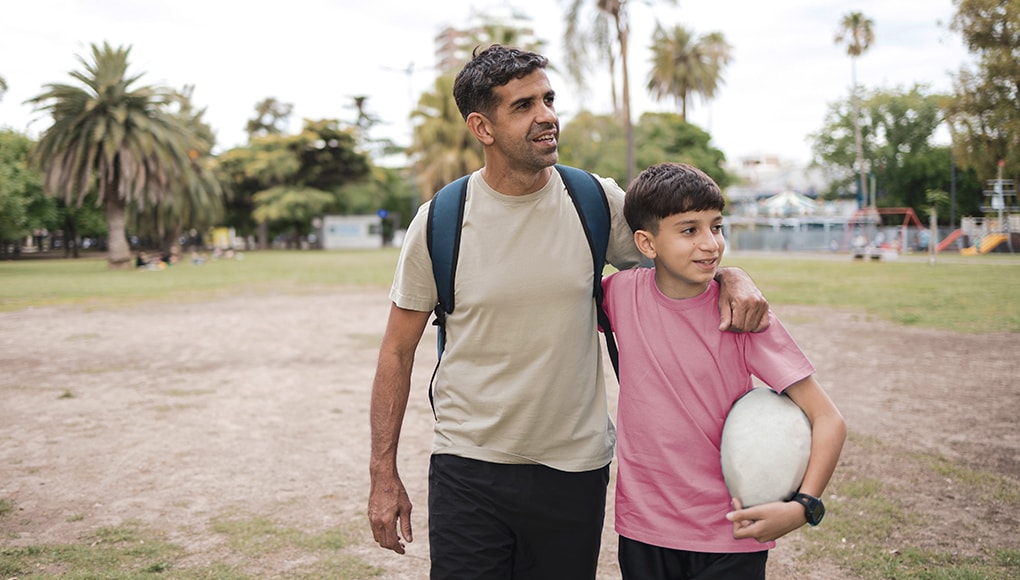
Could someone you know be feeling lonely without saying so? Learn the signs of loneliness and how to make it easier for men to open up.
Loneliness isn’t always easy to spot, especially in men. And while rising rates of male loneliness have been dubbed a ‘male loneliness epidemic’, the reality is much more nuanced, says Nick Gotsis, a clinical psychologist who specialises in men’s mental health.
“Loneliness isn't about how many people are around you. It's the gap between the connection you have and the connection you actually want,” he explains.
You can have a lot of friends and still feel alone, Nick adds, and that's where loneliness can be quite subjective. Some men may also find it hard to put words to what they’re feeling, so loneliness can come across as withdrawal rather than an obvious call for help.
Knowing the signs of loneliness can help you support the men in your life. Learn what to look for, how to start a conversation, and what to do next.
Understanding male loneliness
Loneliness affects more than one in four Aussies, with people aged 45 to 54 particularly at risk. This age group has the highest rate of social isolation and 28% report both loneliness and social isolation. While people aged 18 to 25 are the loneliest (18%), they’re also the least socially isolated.
While both men and women report feeling similar levels of loneliness, research suggests middle age is when some men tend to experience severe loneliness.
“It’s around this time when our family and career responsibilities grow, and there is less time for social connection,” Nick explains. “Friendships that once mattered might take a bit of a backseat.”
Other factors that can contribute to a feeling of loneliness include relationship breakdowns, having a long-term disability or health issue, financial concerns and job instability.
Opening up: Why some men find it difficult
How you handle and express emotions as an adult is typically shaped by both your upbringing and society’s traditional views on masculinity. The idea that men should be emotionally stoic, self-reliant and tough has been found to impact men’s mental health. For some men, these expectations can make it harder to express their feelings or may contribute to behaviours sometimes described as being “emotionally unavailable”.
“The traditional idea of men being ‘strong and stoic’, which our father or grandfather might’ve taught us, can actually be valuable – those aren’t negative qualities,” says Nick. “But when they’re the only option available, they don’t allow for the full expression of emotions or vulnerability.”
What matters just as much, he says, is how we respond when men do open up.
“Vulnerability is a skill, and the more we practise it, the easier it gets,” he says. “But if the response is judgement or being told what we should be thinking or feeling, men may not want to open up again. The skill only develops if the response makes it worth repeating.”
Signs a man in your life may be struggling
Feeling lonely can impact a person’s daily life and their ability to function properly. Here are some signs they may need your support.
- They avoid seeing friends or family.
- They have physical symptoms like headaches and tiredness.
- They have trouble sleeping or sleep more than usual.
- They experience panic attacks or seem anxious or paranoid.
- Their weight changes significantly or they lose their usual appetite.
- They share negative or worrying thoughts.
- They rely more heavily on alcohol or drugs.
These signs don't confirm a diagnosis, but if you’re noticing them consistently, they're worth bringing up.
How to start the conversation
Knowing how to support someone can be challenging, says Nick, but the key is to listen to them with acceptance and curiosity, not judgement.
“Listen and try to understand what’s going on for him, and what's brought him to feel this way,” he suggests. “And try not to put a diagnosis on it. You don't have to name what it is, you just need to be curious about it and use neutral language instead.”
From there, he suggests using the ‘R U OK?’ framework of ‘Ask, listen, encourage action and check in’.
Ask “are you okay?”
- “I've noticed you've been carrying a lot lately. How are you managing?”
- “You haven't seemed yourself for a while. Is anything getting you down?”
- “You’re a bit quiet today – feel like getting a coffee?”
Listen with an open mind
- Show that you've listened by repeating back what you’ve heard (in your own words). “So, you’ve been under pressure at home with the new baby? I get that.”
- Be curious with questions like “How long have you felt this way?”
Encourage action
- “Is there anything you’ve done in the past that’s helped you manage similar situations?”
- “What’s something you can do for yourself right now that would help?”
- “How would you like me to support you?”
Check in
- Add a reminder in your calendar to follow up with them.
- “I've been thinking of you and wanted to know how you've been going since we last chatted.”
Avoid saying things like “What's wrong with you?”, “Just don’t think about it” or labelling what they’re going through, like “Sounds like anxiety to me”. Aim for plain, neutral language instead. “And if you feel nervous, that's normal,” says Nick. “You don't need to have the perfect words, and you don't need to fix anything. Just stay in it with him and let him know you're there.”
Guidance for the people around him
If you feel a little out of your depth, don’t worry, you don't have to have all the answers to support someone. Noticing and starting a conversation can make all the difference.
How to help your husband or partner
Focus on curiosity and encourage connection. “Try to understand why they are feeling that way and avoid getting defensive or taking anything personally,” says Nick.
How to support boys’ mental health
Supporting boys’ mental health starts with modelling emotional openness. “We know boys watch how adults express their emotions, so try to explain how you’re feeling,” says Nick.
Statements like “I've had a frustrating day at work” or “I'm a bit flat, I just need a minute” can show him you can feel something, talk about it and still be fine. “Grandparents can be an additional safe space for boys to connect and share their feelings if they are encouraged,” he adds.
How to help a mate
Strong male friendships can be an important source of connection, but maintaining them can become harder as work, family and other responsibilities grow.
Focus on low-pressure, activity-based check-ins. “Sitting across from someone in a vulnerable moment and asking, ‘What’s going on?’ can be extremely overwhelming because the person feels the pressure to respond,” says Nick. “Instead, talking ‘side by side’ can help, so try going for a walk or run, working out at the gym, driving somewhere or even playing a video game.”
It could also be helpful to suggest they book an appointment with their GP for a chat. For online support, eligible HCF members can complete a HealthyMinds Check-in* at no extra cost and claim towards programs from THIS WAY UP^, an evidence-based online mental health service. For further reading, check out our Men’s Health Hub.
Where to find support
- MensLine Australia (1300 78 99 78): Free telephone and online counselling service.
- Lifeline (13 11 14): 24-hour crisis support and suicide prevention.
- Beyond Blue (1300 22 46 36): Mental health information, support and free counselling.
- Medicare Mental Health: Government mental health information, service finder and treatment resources.
Book your annual mental health check-in today
Whether you want to support a man in your life who’s finding it tough to manage his mental wellbeing, or you're looking to care for your own, help is available. We're helping you get faster and easier access to psychologists through an annual HealthyMinds Check-in*. These confidential telehealth sessions offer tailored support, with referrals to HCF health programs, government support pathways or your GP for a mental health treatment plan.
Related Articles
Simple ways to beat loneliness
Did you know loneliness can affect your brain health? Here’s what the science says about staying socially connected and tips to protect your brain at any age.
How to talk about loneliness
Feeling lonely can happen to us all. It’s a condition that makes you turn inwards and feel disconnected when what you really need is social support. Here’s how to tackle it.
Your guide to male friendship
For many men, finding and maintaining social connections can be a challenge. Here’s why – plus tips for meeting new people and prioritising friendship.
Supporting men’s mental health
A serious diagnosis can take a toll on men’s mental health. Discover expert advice on how to give the right support.
IMPORTANT INFORMATION
* Eligibility criteria apply. For more information, see hcf.com.au/mental-support
^ Available on selected covers. Waiting periods and annual limits apply. You may incur out-of-pocket expenses. You should make your own enquiries to determine whether this service is suitable for you. If you decide to use this service, it'll be on the basis that HCF won't be responsible, and you won't hold HCF responsible, for any liability that may arise from that use. For more information, see hcf.com.au/mental-support
