
Health Agenda
Simple ways to beat loneliness and boost brain health
Published April 2026 | 5 min read
Expert contributor: Dr Suraj Samtani, clinical psychologist and Postdoctoral Fellow at the Centre for Healthy Brain Ageing
Words by Sabrina Rogers
Did you know loneliness can affect your brain health? Here’s what the science says about staying socially connected and tips to protect your brain at any age.
With dementia now the leading cause of death in Australia, protecting brain health has never been more important. From diet to sleep, researchers are busy uncovering the lifestyle habits that help keep our brains sharp as we age – and social connection is emerging as a key piece of the puzzle.
“We studied more than 40,000 people from around the world for up to 14 years to see who would develop dementia,” says Dr Suraj Samtani, a clinical psychologist and Postdoctoral Fellow at the Centre for Healthy Brain Ageing (CHeBA), UNSW Sydney. “We found that the risk of dementia was halved in people who were socially connected compared to those who weren’t, even after we had accounted for all the other risk factors for dementia.”
A major research review cites one study that found social isolation (having infrequent social contact) was associated with a 50% increased risk of dementia, and a landmark 2025 World Health Organization (WHO) report includes data that suggests loneliness can increase the risk of dementia by 23 to 58%.
Given that nearly one in three Australians feels lonely and 46% are at risk of social isolation, human connection is emerging as one of the most accessible ways to support brain health and lower dementia risk.
Why staying socially connected matters
Beyond brain health, research shows loneliness and social isolation can increase the risk of:
- heart disease
- stroke
- type 2 diabetes
- depression
- anxiety
- thoughts of self-harm and suicide
- premature death.
Despite the commonly held belief that loneliness mainly affects older adults, young people aged 18 to 24 report the highest levels, with almost a quarter saying they often or always feel lonely. Interestingly, only 11% of people aged 65 to 74 and 5% of those aged 75 and over say they frequently feel lonely.
How to deal with loneliness
Connect with your community
According to the WHO Commission on Social Connection, community groups and events increase opportunities for connection and may help reduce social isolation and loneliness.
These include:
- exercise groups
- gardening or nature groups
- music groups or community choirs
- dance groups
- art groups
- festivals
- pop-up markets
- art exhibitions and concerts
- adult education courses
- community lunches and programs
- library events.
Looking to connect with like-minded locals? You may be able to find groups that match your interests on Active Locals, Australia's first community-based fitness platform, backed by HCF.
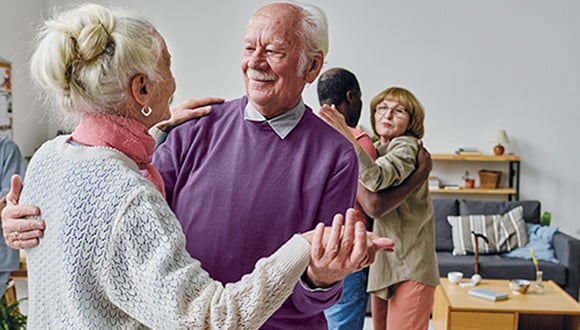
Join a music or dance group
“We ran a systematic review of all the different interventions for loneliness for people experiencing mild cognitive impairment and dementia,” says Dr Samtani. “We found that music groups and dance groups were especially effective at helping people stay socially engaged, even as they experienced changes in their memory or thinking.
“Even if they weren't able to verbally communicate or remember facts about people, that didn't get in the way of them communicating with others through movement and music. It’s a universal language that we don't lose.
“Playing old music that people are familiar with also activates the power of reminiscence therapy, which helps people engage old memories and reanimates them.”
Invest in hobbies you enjoy
Research shows having a hobby is associated with better health, happiness and life satisfaction, and being part of a hobby group can also reduce loneliness and social isolation.
Whether it’s gardening, hiking or painting, the key is to find a hobby you enjoy.
“In my work as a clinical psychologist, I often ask my clients, ‘What’s something you used to enjoy doing and how can you start doing that again in a way that’s practical in your current life?’” says Dr Samtani.
He says it’s important to reconnect with our likes and passions. “It opens the door to activities that are good for our minds and bodies in ways we can sustain. We simply won’t keep doing them if we don’t enjoy them.”
Volunteer to find purpose and connection
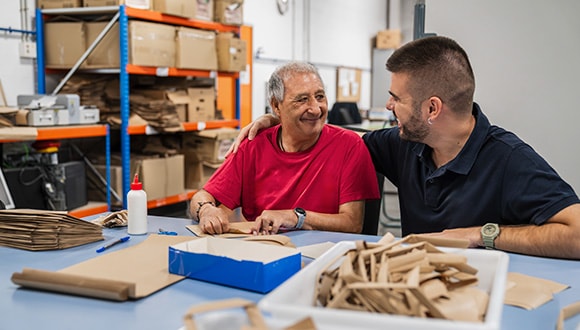
Volunteering has been found to reduce loneliness in young people and older adults alike.
Not sure where to start? Try the following websites to find volunteering opportunities in your local area:
- SEEK Volunteer
- GoVolunteer
- Australian Volunteers (for Australian and international opportunities)
Overcoming barriers to connection
People who live in rural and remote areas are at increased risk of loneliness and social isolation.
Connection can be hard to find in rural Australia – as can mental health support. In partnership with Lifeline Broken Hill, Royal Flying Doctor Service South Eastern Section runs We’ve Got Your Back, a peer-led mental health and wellbeing program supporting communities across Far West NSW. The program trains local ‘Champions’ – graziers and residents who have experience with mental health challenges or have strong coping skills – to have confidential, supportive conversations with community members, connect people with local services and advocate for those facing drought and the pressures of remote living.
“If someone's living in a regional or rural area, or they have difficulties accessing transport or mobility issues, it's important they find a way to stay connected that works for them in terms of time and ease of use,” says Dr Samtani. “I encourage people to try out different local groups or online groups until they find one they feel comfortable with and trust.”
But can online connection really deliver the kind of social interaction our brains need to stay healthy?
“Some studies have shown that face-to-face connections are twice as powerful, but online connections are still effective,” says Dr Samtani.
There’s also good news for introverts: the quality of social interactions matters more than the quantity.
“Our research shows that the protective aspect of social connection comes from being able to confide in someone,” says Dr Samtani. He adds that interacting with lots of people isn’t what matters most. What really counts is having at least one person you trust and can truly be yourself with.
Where to seek extra support
Eligible members can also access HCF’s mental health programs* including a free annual HealthyMinds Check-in. We will also cover the cost of eligible online cognitive behavioural therapy programs provided by THIS WAY UP*, up to your annual limit on selected extras covers (which can otherwise be accessed for $59 per course or for free when prescribed by a clinician). These services can be accessed from anywhere, so support is always within reach when and where you need it.
If you're struggling with depression or anxiety, and need to speak to someone now, call Lifeline on 13 11 14.
Where to find more mental health support:
Feeling lonely? Talk to a mental health professional
If you’re experiencing loneliness and it’s taking a toll on your mental health, it’s important to get help. A good first step is to speak with your GP. At HCF, also we're offering eligible members* fast and easy access to care when it suits you, including a free annual HealthyMinds Check-in delivered by registered psychologists in the comfort of your own home, with appointments available up to 21 hours a day*.
Related articles
How to talk about loneliness
Feeling lonely can happen to us all. It’s a condition that makes you turn inwards and feel disconnected when what you really need is social support. Here’s how to tackle it.
Men’s guide to building friendship
One in four Australian men aged 35 to 49 experiences severe loneliness. Learn why it happens and ways to build meaningful connection and friendship.
The benefits of playing team sports
From helping you beat loneliness to scoring goals at work, getting into team sports at any age can be a winning move.
The pursuit of happiness as we age
Research shows that Australians over 60 are now happier than those under 30. Here’s why life satisfaction is increasing with age and how to harness happiness after retirement.
IMPORTANT INFORMATION
* Eligibility criteria apply. Waiting periods and annual limits apply for THIS WAY UP. For more information, see hcf.com.au/mental-support
This communication contains information which is copyright to The Hospitals Contribution Fund of Australia Limited (HCF). It should not be copied, disclosed or distributed without the authority of HCF. Except as required by law, HCF does not represent, warrant and/or guarantee that this communication is free from errors, virus, interception or interference. All reasonable efforts have been taken to ensure the accuracy of material contained on this website. It’s not intended that this website be comprehensive or render advice. HCF members should rely on authoritative advice they seek from qualified practitioners in the health and medical fields as the information provided on this website is general information only and may not be suitable to individual circumstances or health needs. Please check with your health professional before making any dietary, medical or other health decisions as a result of reading this website.
