
Health Agenda
Foods to lower cholesterol: What to eat and what to reduce
Published October 2026 | 5 min read
Expert contributor: Clare Cheng, accredited practising dietitian and HCF Health Coach
Words by Tegan Forder
Key takeaways
- Foods to lower cholesterol include whole grains, legumes, nuts, seeds, fruit and vegetables.
- Eating more soluble fibre, replacing saturated fats with unsaturated fats and adding plant sterols can all help to reduce ‘bad’ cholesterol.
- Eggs and peanut butter can be eaten – just watch your portions.
- A heart-healthy diet can support blood pressure and improve your overall cardiovascular health.
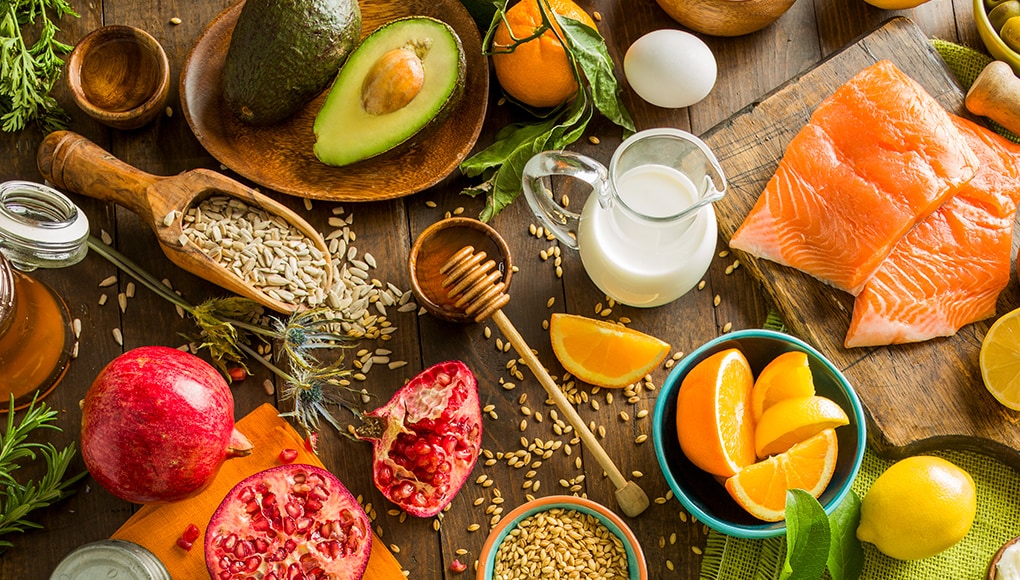
Looking for foods to lower cholesterol? An accredited practising dietitian shares simple heart-healthy eating tips to help improve your cholesterol levels.
Whether your GP has found your cholesterol is higher than ideal or you’re trying to be proactive because you have a family history of high cholesterol, it’s good to know the food you eat can play a powerful role in improving your cholesterol levels.
In 2022, around one in 12 Aussie adults self-reported having high cholesterol. But there are steps you can take to manage it, including quitting smoking, reducing alcohol intake and eating a heart-healthy diet.
Accredited practising dietitian and HCF Health Coach Clare Cheng says following a heart-healthy eating pattern can help reduce low-density lipoprotein (LDL) cholesterol (known as ‘bad’ cholesterol), support blood pressure and improve overall heart health.
“This generally includes eating more vegetables, fruit, whole grains, legumes, nuts, seeds, fish and healthy unsaturated fats, and less saturated fat, trans fat, salt and highly processed foods,” she says.
What is cholesterol?
Cholesterol is a fatty substance used to build and repair cells, as well as make nutrients like vitamin D and hormones like oestrogen and testosterone.
Your body produces most of the cholesterol it needs (blood cholesterol), but some also comes from the animal products you eat (dietary cholesterol).
Why food makes a real difference to cholesterol
While your body needs cholesterol for good health, too much ‘bad’ cholesterol can damage your arteries and increase your risk of heart disease and stroke. Making even small changes to your diet can help reduce cholesterol naturally over time, and certain foods play an important role in several ways.
- Removing cholesterol. “Foods high in soluble fibre – found in oats, barley, legumes, fruit and some vegetables – can bind cholesterol and bile acids in the gut so more cholesterol is removed from the body,” Clare explains.
- Improving your cholesterol profile. Replacing saturated fats with unsaturated fats from foods like extra virgin olive oil, avocado, nuts, seeds and oily fish like salmon, trout, mackerel and sardines can help lower your LDL cholesterol levels.
- Blocking cholesterol absorption. Plant sterols – cholesterol-like compounds found naturally in foods like fruits, vegetables, nuts and cereals – effectively block cholesterol from being absorbed in your gut. Products fortified with plant sterols include certain margarines, reduced-fat milks and cereal products (to gain cholesterol-lowering benefits from these products, the recommended amount is 2 to 3 grams per day).
“Diet is only one part of cholesterol management,” adds Clare. “Some people may need medication as well, particularly if their cholesterol is very high or they have other cardiovascular risk factors.”
How long does it take to lower cholesterol?
The time it takes to lower cholesterol levels can vary from person to person.
“Some people may start to see changes in their cholesterol within a few weeks, or some may see changes after two to three months of making lifestyle and dietary changes,” advises Clare.
The timeframe depends on factors including:
- genetics
- baseline cholesterol level
- body weight
- physical activity
- alcohol intake
- smoking
- medical conditions
- whether medication is also being used.
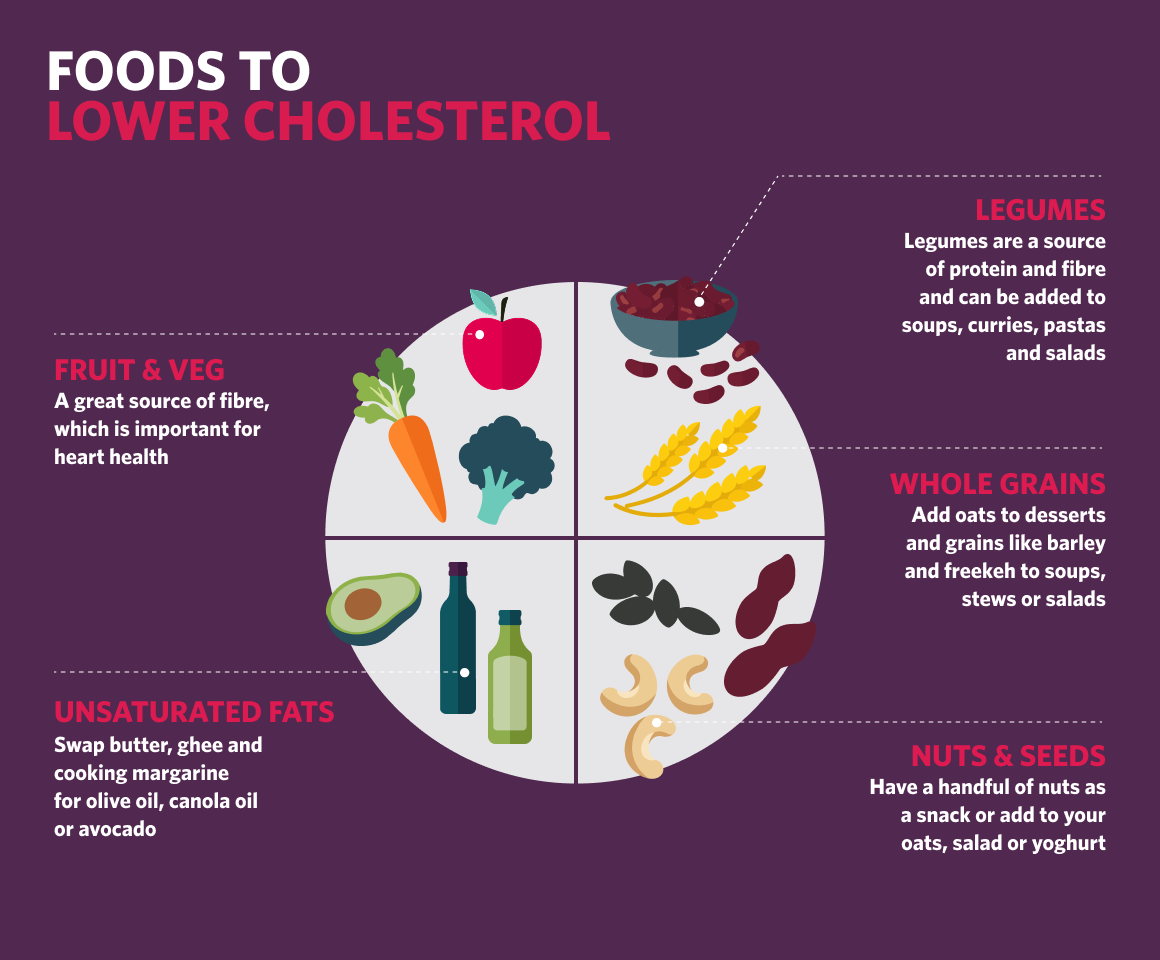
Foods that can lower cholesterol
Wondering what foods lower cholesterol? Clare recommends adding more of the following foods to your diet.
Whole grains
Oats, barley and other whole grains like freekeh are a good source of soluble fibre. Try eating oats in porridge or overnight oat recipes and adding grains to soups, stews or salads.
Legumes
Legumes like lentils, chickpeas and beans are a source of fibre and plant-based protein. They can be added to curries, soups, pasta sauces or salads – like the ancient grain salad below. “You can also replace some of the meat in a meal with lentils or beans,” Clare suggests.
Nuts and seeds
Rich in unsaturated fats and fibre, a small handful of unsalted nuts makes a convenient snack or addition to your breakfast yoghurt or lunchtime salad.
Fruit and vegetables
Increasing your fibre is an important part of a heart-healthy eating pattern. “A simple way to increase intake is to add fruit or vegetables to meals and snacks you already eat, rather than trying to create completely different meals,” says Clare. “Add berries to oats, salad to a sandwich, extra vegetables to pasta sauce, or keep fruit ready for snacks.”
Unsaturated fats
Unsaturated fats like extra virgin olive oil and avocado are a healthier alternative to saturated fats like butter, ghee and cooking margarine for reducing LDL cholesterol.
“Some people may also benefit from plant sterol-enriched products, which can help lower LDL cholesterol when consumed in the recommended amount,” says Clare.
Are eggs high in cholesterol?
While egg yolks do contain dietary cholesterol, Clare says they don’t have a big impact on blood cholesterol in most people.
“Eggs are also a nutritious food that provide protein and several important micronutrients,” she adds. “For the general population, they can fit within a heart-healthy diet.”
The Heart Foundation says most people can enjoy as many eggs as they like but recommends people with high LDL cholesterol limit themselves to no more than seven a week.
“Context matters too,” says Clare. “Eggs with wholegrain toast and vegetables are very different from eggs served with bacon, sausages and buttered white toast.”
What foods cause high cholesterol?
Saturated fat is one of the main dietary contributors to higher LDL cholesterol, so Clare recommends reducing your intake of butter, fatty meats, processed meats, cream, pastries and deep-fried takeaway foods.
Reduce saturated fat while increasing fibre and unsaturated fats with these swaps:
- Extra virgin olive oil or avocado instead of butter
- fish or legumes instead of processed meat
- lean poultry or smaller portions of lean red meat instead of fatty cuts
- wholegrain bread instead of white bread
- fruit, yoghurt or nuts instead of cakes or biscuits.
Is peanut butter bad for cholesterol?
Peanut butter doesn’t directly cause high cholesterol. “Peanuts contain mostly unsaturated fats, along with plant protein and fibre, so they can be part of a heart-healthy diet,” says Clare.
Choose peanut butter made mainly from peanuts, with little or no added salt and sugar. Watch portions and use a thin spread on wholegrain toast or add a small amount to oats.
Putting it into practice
Clare’s key tip is to make healthy changes you’ll be able to repeat most weeks. “Start with one meal or one habit rather than trying to overhaul everything at once,” she suggests.
For example, choose oats or wholegrain toast at breakfast, add salad or vegetables to lunch, use olive oil instead of butter, keep unsalted nuts or fruit available for snacks, and eat legumes a few times each week.
“Small changes done consistently are usually more effective than a strict plan that only lasts a few days,” says Clare.
Always check with your GP before making changes to your diet.
Eligible members can access a range of HCF Health Management Programs to help you be your healthiest self.
- Get access at a discount or at no extra cost to the evidence-based CSIRO Total Wellbeing Diet*, which combines a high-protein, low-GI eating plan with exercise and proven weight management tools.
- Try The COACH Program®, a four- to six-month phone-coaching support program provided at no extra cost for eligible members+ with heart conditions or diabetes. To register your interest, complete the registration form here.
When to talk to your GP about lowering cholesterol
If you’re worried about your cholesterol, visit your GP to get a blood test to determine your level and then talk to them about what to do if bad cholesterol levels are high.
“If someone has very high cholesterol, heart disease, diabetes, kidney disease or complex medical needs, they should speak with their doctor and seek personalised advice from an Accredited Practising Dietitian,” Clare advises.
Ancient Greek grains salad
Prep time: 15 minutes
Cooking time: 30 minutes
Serves: 6
Ingredients
- 200g puy lentils, rinsed
- 200g pearl barley, rinsed
- 30g (1 cup) flat‑leaf parsley, chopped
- 20g (1 cup) mint, chopped
- 390g (2½ cups) whole almonds, plus extra to serve
- seeds of 1½ pomegranates, plus extra to serve
- 2 tbsp pomegranate molasses
- salt and pepper, to taste
- 80ml extra virgin olive oil, plus extra for drizzling
- 2 tbsp pistachio nuts, roughly chopped
- 50g Greek (or vegan) feta
Method
- Bring a large pot or saucepan of water to the boil, add lentils and cook for 25 to 30 minutes, or until tender, then drain and rinse well.
- Meanwhile, in a separate large pot or saucepan, boil barley for 25 to 30 minutes, or until tender, then drain and rinse well. Combine cooked lentils and barley in a bowl.
- Add herbs, almonds, pomegranate seeds and pomegranate molasses, and gently combine. Season to taste with salt and pepper. Drizzle with olive oil and toss.
- To give your salad an extra dash of beautiful colour, it’s worth topping it with some more pomegranate seeds and almonds, so the colours really stand out. Add pistachios and crumble feta over the salad, then drizzle with extra oil to serve.
What to do with your leftovers
This salad will easily keep for a week if refrigerated and covered. Make a whole new salad by adding spinach, rocket and Greek feta.
Recipe from A Seat at My Table: Philoxenia by Kon Karapanagiotidis, published by Hardie Grant Books. Photography by Sarah Pannell.
Book your heart check at no extra cost
Keeping track of your cholesterol levels can help identify potential issues early, so you can make changes before they become more serious. Eligible members 18 years and older can get an HCF Heart and Diabetes Health Check, delivered by the Victor Chang Cardiac Research Institute, at selected locations and dates#. During the 10-minute check, you'll get your total cholesterol checked, as well as a blood pressure and average blood sugar (HbA1c) reading to check your risk of cardiovascular disease and diabetes, with healthy heart advice provided by a health specialist.
Related articles
How to lower cholesterol
Are you one of many Australians with high cholesterol? Learn how to lower cholesterol with simple lifestyle changes.
What are ultra-processed foods?
Ultra-processed foods are everywhere these days. But what exactly are they? We explore the health risks and offer simple, healthier food swaps.
Do you need a heart health check?
Learn how a heart health check can help you stay healthy now and into the future, and how to book your free check.
What is visceral fat?
While hard to see from the outside, hidden or visceral fat can cause health problems. Here are the signs.
IMPORTANT INFORMATION
* Eligibility criteria apply. For more information, see hcf.com.au/csiro-total-wellbeing-diet
^ Before you start any Health Management Program, check you’re on eligible cover and the provider of the program is recognised by us by calling 13 13 34 or visiting a branch.
+ Eligibility criteria apply. For more information, see hcf.com.au/coach
# Eligibility criteria apply. For more information, see hcf.com.au/victorchang
This communication contains information which is copyright to The Hospitals Contribution Fund of Australia Limited (HCF). It should not be copied, disclosed or distributed without the authority of HCF. Except as required by law, HCF does not represent, warrant and/or guarantee that this communication is free from errors, virus, interception or interference. All reasonable efforts have been taken to ensure the accuracy of material contained on this website. It’s not intended that this website be comprehensive or render advice. HCF members should rely on authoritative advice they seek from qualified practitioners in the health and medical fields as the information provided on this website is general information only and may not be suitable to individual circumstances or health needs. Please check with your health professional before making any dietary, medical or other health decisions as a result of reading this website.
