
Health agenda
Oversleeping: can you really get too much sleep?
Published March 2026 | 5 min read
Expert contributor: Dr Moira Junge, CEO, Sleep Health Foundation
Words by Jo Hartley
Key takeaways
- Oversleeping means regularly sleeping 10 to 12+ hours a night, and can cause symptoms like tiredness, headaches and brain fog.
- Sleep disorders, medications and medical or lifestyle factors can cause you to sleep too much.
- Oversleeping can affect physical health and increase the risk of certain diseases.
- If you’re consistently sleeping long hours but still feel tired, speak with your GP.

Sleeping lots, but still tired? Discover what counts as oversleeping, what causes it and when to seek help.
We all need extra sleep occasionally. Busy schedules, a gripping late-night Netflix binge and life in general can tire us out. But, while occasional long sleep is fine, oversleeping regularly can be a problem. In fact, it can make you feel worse rather than better and impact your long-term health.
A new international study shows people who regularly slept fewer than seven hours a night had a 14% higher likelihood of dying from any cause. Surprisingly, that likelihood jumped to 34% among people who consistently slept more than nine hours, raising important questions about how much sleep is too much.
What is oversleeping?
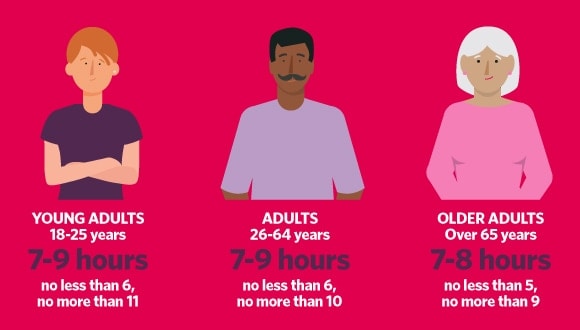
Experts recommend most adults should sleep between seven and nine hours each night. Routinely sleeping more than 10 to 12 hours as an adult is considered excessive. It can be associated with poor health outcomes like fatigue, mood changes and poor quality of life.
“Hypersomnia is a condition where someone experiences extreme sleepiness during the day despite sleeping for very long hours – at least about 12 hours per day, often way longer – in a 24-hour period,” says Dr Moira Junge, CEO at the Sleep Health Foundation.
“Despite sleeping enough, or more than enough, people can usually still feel tired and want to keep sleeping.”
Besides sleeping longer than the recommended number of hours each night, oversleeping symptoms can include:
- headache
- poor memory
- brain fog
- anxiety
- reduced appetite
- low energy
- daytime fatigue and sleepiness
- daytime napping
- fatigue interfering with work, social life and overall functioning.
What causes oversleeping?
Occasional long sleep is harmless, but chronic oversleeping may indicate underlying health issues.
Dr Junge notes there are various reasons why people sleep too much:
- Sleep disorders: Sleep apnoea or other conditions of hypersomnolence like narcolepsy or idiopathic hypersomnia, restless legs syndrome or circadian rhythm disturbance are conditions that make people feel excessively sleepy.
- Medications: Some medications can cause oversleeping and daytime drowsiness or sleepiness. Antihistamines, antidepressants, antipsychotics, benzodiazepines, opioids, muscle relaxants, anti-seizure drugs and some blood-pressure medications are the most common culprits.
- Medical conditions: Low iron levels, disturbed thyroid function or metabolic disorders like diabetes and obesity can be linked to excessive sleepiness. Heart problems, dementia and cancers can reduce energy and cause fatigue.
- Mental health conditions: Disturbance to our mood, including being depressed or having anxiety or bipolar disorder, can disturb sleep and cause excessive sleeping and sleepiness.
- Neurological conditions: Some neurological conditions, including Parkinson’s disease, multiple sclerosis and brain tumours, can disrupt sleep-wake regulation, which can cause sleep disturbance and sleepiness.
- Substance abuse: Misuse of alcohol or other drugs may worsen (or cause) sleepiness.
- Lifestyle and environmental factors: An irregular sleep schedule, poor diet and no exposure to light and dark at relevant times can cause chaotic sleep routines, meaning oversleeping and feeling sleepy are more likely.
What happens if you sleep too much?
From hormones to metabolism and immune function, oversleeping can affect physical and mental wellbeing.
“Sleeping too much can affect the production of melatonin, which is the natural hormone your body makes to help you know it’s time to sleep,” says Dr Junge. “If melatonin production is not regular and routine, it can disrupt your body’s natural sleep-wake cycle.”
Similarly, oversleeping can impact leptin and ghrelin hormones. “These hormones regulate our appetite and feelings of fullness. When they’re altered, they can increase hunger, slow down our metabolism and cause weight gain,” says Dr Junge.
Dr Junge explains that other ways oversleeping can affect you include:
- Reduced insulin sensitivity: Oversleeping and too little sleep can be associated with impaired glucose regulation, raising the risk of developing obesity and type 2 diabetes.
- Poor mental health: Excessive sleep is linked to poorer memory, slower reaction times and reduced thinking and problem-solving ability. It can also be a common symptom of depression, as oversleeping worsens mood regulation.
- Weakened immune function: Oversleeping can make it harder for your body to fight infections.
How can you avoid oversleeping?
“Find out how much sleep you need to function optimally by experimenting with different timings and sleep durations,” says Dr Junge. “Once you know how much sleep you need, stick consistently to this sleep pattern as much as possible.”
To establish a regular and healthy sleep pattern, Dr Junge recommends:
- heading to bed and waking around the same time each day
- eating a healthy diet
- cutting back on alcohol and caffeine (especially before bed)
- managing your stress levels
- creating a calm sleep environment.
If you’re oversleeping or feeling consistently tired without a clear reason, and it’s starting to affect your day-to-day life, have a chat with your GP to get advice and an assessment. With GP2U, you can book an online GP consultation* for a range of services, like getting medical certificates, referrals and prescription medications to help you access care when you need it. Through HCF's partnership with GP2U, eligible members can access an online standard GP consultation (up to 10 minutes) for a fee of $50.
We're also helping you get faster and easier access to psychologists through an annual HealthyMinds Check-in^. These confidential telehealth sessions offer everyone on your policy tailored support, with referrals to HCF health programs, government support pathways or your GP for a mental health treatment plan.
Take control of your sleep
Need help building better sleep habits? Thanks to our partnership with Sleepfit Solutions, eligible HCF members+ can get a free 12-month subscription to the Sleepfit app, designed to improve sleep and overall wellbeing.
Related articles
Why am I always tired?
Tired all the time? Read about these common causes of fatigue and the practical ways you might overcome them.
How to sleep better as you age
Many people experience sleep problems with age. Here’s why quality sleep is so crucial for our health as we get older and how many hours you should aim for.
Can caffeine affect sleep?
Does caffeine have an impact on your shuteye? Experts share their advice on how much coffee and caffeine you can have, and when.
How to improve sleep quality
Did you wake up this morning feeling refreshed? For many Aussies, a good night’s sleep is hard to come by, but there are ways to improve your sleep quality.
IMPORTANT INFORMATION
* Eligibility criteria apply. For more information, see hcf.com.au/gp2u
^ Eligibility criteria apply. For more information, see hcf.com.au/mental-support
+ Eligibility criteria apply. For more information, see hcf.com.au/sleepfit
This communication contains information which is copyright to The Hospitals Contribution Fund of Australia Limited (HCF). It should not be copied, disclosed or distributed without the authority of HCF. Except as required by law, HCF does not represent, warrant and/or guarantee that this communication is free from errors, virus, interception or interference. All reasonable efforts have been taken to ensure the accuracy of material contained on this website. It’s not intended that this website be comprehensive or render advice. HCF members should rely on authoritative advice they seek from qualified practitioners in the health and medical fields as the information provided on this website is general information only and may not be suitable to individual circumstances or health needs. Please check with your health professional before making any dietary, medical or other health decisions as a result of reading this website.
