
Health Agenda
How to be sun smart while exercising outdoors
Published November 2025 | 5 min read
Expert contributors: Professor Anne Cust, cancer epidemiologist and Interim Director of The Daffodil Centre; Carly Ryan, exercise physiologist, Exercise & Sports Science Australia
Words by Alana Wulff
Love training outdoors? Here’s how it can impact your skin and overall health, plus tips for being sun smart all year round.
Feeling motivated to head outdoors for a walk or workout? Before you step outside, it’s important to remember that sun exposure can have benefits and risks for your health.
Finding the right balance between the two can be confusing and isn’t the same for everybody. Thankfully, a 2024 paper from Queensland medical research institute QIMR Berghofer is helping Australians identify the right approach for their specific skin type, by providing detailed sun smart recommendations according to their individual skin cancer risk.
The stakes couldn’t be higher. Skin cancer rates in Australia are among the highest in the world, with more than 2,000 people dying each year from this almost entirely preventable disease. In 2024 alone, an estimated 18,964 people were diagnosed with melanoma of the skin.
It isn’t just outdoor workouts that put your skin at risk. Something as simple as waiting outside for a takeaway coffee can expose your skin to harmful ultraviolet (UV) radiation. That’s why consistent, year-round sun safety practices specific to your skin type and skin cancer risk are essential – from checking the UV index and applying and reapplying sunscreen, to wearing protective clothing and being mindful of when you go (and how long you spend) outdoors.
Make sunscreen part of your daily routine
The first step to being sun smart while exercising outdoors is understanding the UV index, which measures the strength of the sun’s ultraviolet radiation.
According to the QIMR Berghofer report, everyone in Australia, apart from those with deeply pigmented skin, should wear sunscreen whenever the UV index is forecast to get to 3 or above – which for much of Australia is most of the year.
“If people are exercising early in the morning, like 6.30am, protection becomes less important,” says Professor Anne Cust, cancer epidemiologist and Interim Director of The Daffodil Centre. “But when the UV index is 3 or more, no matter the time of day or time of year, it’s important to protect your skin.”
Even if you have deeply pigmented skin, which has a reduced risk of developing skin cancer, sunscreen is recommended if you’re outdoors for extended periods, as the sun can still burn or damage your skin.
Aim to apply your sunscreen anywhere not covered by clothing, including your face, neck, arms and hands.
Cancer Council recommends:
- using sunscreen labelled broad-spectrum, water-resistant and SPF50 or SPF50+
- applying sunscreen 20 minutes before heading outdoors
- adults apply 35ml (about 7 teaspoons) for a full-body application, including 5ml (about 1 teaspoon) for each arm, leg, body front, body back and face (including neck and ears)
- reapplying sunscreen at least every two hours, irrespective of the water resistance of the sunscreen
- reapplying sunscreen after swimming, sport, sweating and towel drying.
Since sunscreen is tested at a specific thickness – and many people don’t apply enough – it might be worth applying it twice. “It needs to be applied at a specific thickness in order to get the labelled SPF [sun protection factor],” says Prof Cust. An easy way to do this is to apply one layer, then do something else like brushing your teeth, then reapply to ensure sufficient coverage.
Protect your skin with clothing and shade
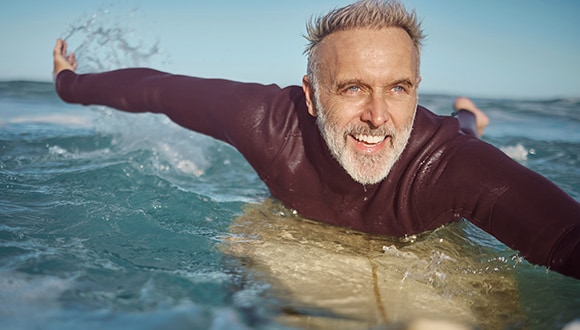
While sunscreen is important, it’s not the only line of defence when protecting the skin during outdoor activity. “Clothing, hats and shade should be prioritised,” explains Prof Cust. “We should be protecting as much skin as possible with clothing and only put sunscreen on the bits that can’t be covered by clothes.”
Cancer Council also suggests wearing close-fitting wraparound sunglasses that meet the Australian Standard AS/NSZ 1067 if you’re outside during daylight hours.
While it can be tough to cover up completely, especially on hot days, selecting t-shirts with sleeves over singlets can make a difference. “People should wear a broad-brimmed hat and clothing with sleeves and ideally some form of collar, but not a singlet top, if they're going to be exercising outdoors,” adds Prof Cust.
This sentiment is shared by exercise physiologist Carly Ryan from Exercise and Sports Science Australia, who encourages people to invest in sportswear that helps the body regulate its own temperature on warmer days. Fabrics to look for include polyester, nylon, spandex (Lycra or elastane), bamboo and cotton blends – not 100% cotton, as this absorbs moisture. “These are clothes that breathe and wick moisture away,” she says. “Your body will send you signals if it's struggling in the heat – listen to it, continue with your exercise routine and adjust your workout if necessary.”
What about vitamin D?
While the sun’s UV radiation is the main cause of skin cancer, it’s also a source of vitamin D, which supports strong bones, muscles and overall health. So, if you’re consistently covering your skin with clothing, wearing sunscreen diligently and avoiding being outdoors when the UV index is 3 or higher, you might understandably wonder whether you’ll end up with vitamin D deficiency.
While the Cancer Council says sensible sun protection doesn't put people at risk of vitamin D deficiency, it’s important to find a balance between getting enough sun for vitamin D and avoiding too much sun to protect your skin. According to Cancer Council, most people get enough from regular incidental exposure to the sun. When the UV index is 3 or above, Cancer Council says just a few minutes outside most days is usually enough. When the index drops below 3, spending time outdoors in the middle of the day with some skin exposed, perhaps while gardening or walking, can help boost your vitamin D levels.
And while research suggests regular sunscreen use can impact vitamin D, researchers stress this doesn’t mean you should stop using sunscreen. If you’re concerned about your vitamin D levels, speak to your GP, who may suggest a supplement.
And no matter your history with the sun, it’s important to check yourself regularly for signs of sun damage or changes to your skin. If you notice anything new, unusual or changing, book an appointment with your GP.
Choose the ideal time and place to exercise
When selecting the best time to exercise, alongside checking the UV index to avoid peak UV hours, it’s worth factoring in your fitness levels and the different types of exercise on offer.
“Humidity, hydration and whether you're exercising in the shade can affect your workout,” explains Carly. “Ideally, do your exercise first thing in the morning or in the early evening, when it's cooler, and if you need to exercise in the middle of the day [between 10am and 2pm, or 11am and 3pm daylight saving time], either head to the pool or indoors to an air-conditioned room.”
If you’re exercising due to a recommendation by your doctor or allied health professional to treat a medical condition like arthritis or osteoporosis, you may be able to claim towards the cost with HCF. Ask your doctor, physio or other allied health provider to fill in the exercise and gym benefits form.
Make sure you drink water
When you exercise in the sun, even if it's slow or moderate activity, your body will lose water. That’s why it’s important to drink water throughout the day, and especially before exercising.
“The general recommendation is 2 to 3L a day, but you should increase this in hot weather,” says Carly. “If you feel thirsty, you're already dehydrated.”
Carly suggests hydrating before you begin exercising, then taking a sip every 15 to 30 minutes. But don’t drink too much water during your workout, she says, as it can lead to nausea.
If you feel light-headed, get a cramp or a headache, Carly recommends slowing down and stopping. “If you stop sweating, that's a sign you need to stop exercising and seek medical advice as this may be an indication of heat stroke.”
Speak to your GP
If you’re worried about your vitamin D levels, it’s a good idea to check in with your GP. With GP2U, you can book an online GP consultation* for a range of services. For skin checks, book in to see your GP for a face-to-face appointment.
Related articles
What does skin cancer look like?
Australia’s skin cancer rates are some of the highest in the world – but regular skin checks and sun safety can help with early detection and prevention.
Boost your health outdoors
Spending more time in blue space, like water, and green space, like parks, can help you de-stress, get fitter and improve your memory.
Your skin check checklist
If caught early, skin cancer can often be successfully treated so checking your skin regularly – and knowing what to look for – is vital.
5 simple ways to try outdoor fitness
It’s important to keep active for our physical and mental health, and exercising in the great outdoors goes the extra mile for your wellbeing. Get busy with our five ideas for outdoor fitness activities.
Important information
* Eligibility criteria apply. For more information, visit hcf.com.au/gp2u
This communication contains information which is copyright to The Hospitals Contribution Fund of Australia Limited (HCF). It should not be copied, disclosed or distributed without the authority of HCF. Except as required by law, HCF does not represent, warrant and/or guarantee that this communication is free from errors, virus, interception or interference. All reasonable efforts have been taken to ensure the accuracy of material contained on this website. It’s not intended that this website be comprehensive or render advice. HCF members should rely on authoritative advice they seek from qualified practitioners in the health and medical fields as the information provided on this website is general information only and may not be suitable to individual circumstances or health needs. Please check with your health professional before making any dietary, medical or other health decisions as a result of reading this website.
