
Health Agenda
How to stop overthinking and de-stress
Published November 2025 | 6 min read
Expert contributor: Katie Dobinson, clinical psychologist, THIS WAY UP
Words by Lucy E Cousins
Stuck in a cycle of overthinking? Learn how to stop overthinking with tips to ease repetitive thoughts, reduce stress and restore balance.
The human brain produces thousands of thoughts every day and if you’re grappling with overthinking, many of them are probably on repeat.
“Overthinking is a natural response in our thinking patterns in times of significant stress or change,” explains Katie Dobinson, a clinical psychologist from THIS WAY UP. “It’s okay for this pattern to occur from time to time, but it’s important to try and identify it and practise helpful strategies to nip it in the bud before it becomes the ‘new normal’.”
The best way to explain overthinking is ‘thinking too much’ about a particular situation – also known as repetitive thinking. In basic terms, says Katie, overthinking is a broad term that may refer to:
- rumination: repetitive thinking about past events
- worry: repetitive thinking about future outcomes.
“Sometimes we need to think deeply to understand past events, help solve a problem or think of how we can learn, grow and do things differently next time. Likewise, worrying can sometimes help us plan and problem-solve for future events,” Katie explains.
But when overthinking becomes a habit, it can affect your mental, physical and emotional health. That’s why learning how to stop it – and taking simple steps to regain control – is so important.

How to stop overthinking
A little overthinking is common, says Katie, but it can become a problem if it’s getting in the way of your day-to-day life.
There are various evidence-based skills to help calm your nervous system and encourage more balanced thinking habits. These include:
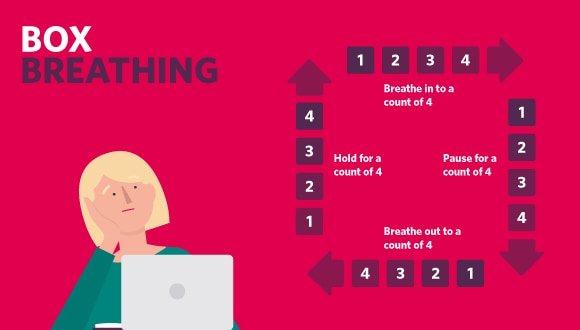
- breathing techniques like box or square breathing to reduce stress and regulate breathing
- yoga to improve flexibility, strength and circulation while promoting calm feelings
- meditation to reduce stress in the mind and body and support emotional regulation
- limiting screen time, especially before bedtime, to help settle the mind and encourage restfulness
- spending time outdoors to lower stress hormones and boost overall health
- talking with a friend to lift self-esteem and strengthen your sense of connectedness.
Eating well, focusing on sleep and staying on top of your health checks can also help keep your mind in check.
What causes overthinking?
Overthinking affects people of all ages and genders, and it can be triggered by anything that pushes you out of your comfort zone – from stressful life problems to emotional stress or financial situations. These could include:
- starting a new job or losing a job
- coping with grief
- navigating a new relationship
- approaching a conflict situation with family or friends
- dealing with debt or other money issues.
If you experience trauma, depression or anxiety, you also have a higher chance of slipping into negative repetitive thinking habits.
How can overthinking impact your wellbeing?
When we’re stuck in this repetitive thought process, it can have a significant impact upon our levels of stress, anxiety and changes in mood, says Katie.
“Overthinking, when excessive and unhelpful, places our attention on internal negative thinking patterns,” she explains. “This can make it harder to shift our attention outwards, impacting our focus on the important things we want and need to do and increasing our stress response.”
When this happens, we can experience a range of symptoms, including a racing heart, sweaty palms, temperature changes (feeling hot or cold), muscle tension and chest tightness.
Signs you’re overthinking
If you’re wondering if your daily worrying might be crossing the line into overthinking, it can be helpful to understand the nature of your thinking, says Katie.
“We often don’t slow down enough to take stock of what thoughts are actually running through our mind that might be contributing to our stress,” she says.
To do this, Katie suggests focusing on the way you’re thinking about a situation and asking yourself three questions:
- Is this thinking going on for too long? For example, more than around 30 minutes. If yes, the thinking is likely unhelpful.
- Is this thinking leading me to a plan or action? If no, the thinking is likely to be unhelpful.
- Is there something I can do about this situation or problem? If no, then the thinking is likely unhelpful.
If you find your thought patterns are unhelpful or you think you might need support, Katie suggests taking these four simple steps.
- Describe what’s going on and write down your thoughts: What am I feeling and thinking? Is the way I’m looking at the situation making me feel worse than I need to?
- Challenge your thoughts: Is what I’m thinking true? Is it helpful? Is it kind?
- Expand your thoughts: Is there another way I can look at this situation that would make me feel better and respond with a realistic and helpful perspective? If a friend were in my situation, what would I tell them?
- Choose how you respond: What can I do here that will be helpful to me going forward?
“It's only when worrying and ruminating go on for a long time, becoming excessive and not leading to helpful actions, that they can become more problematic forms of ‘overthinking’,” Katie explains.
When to seek support
When overthinking and anxiety are getting in the way of the life you want to be living, it’s never too soon to reach out for help, says Katie.
“Whether you've always thought of yourself as a 'worrier', or if anxiety is a new problem for you and you haven't been feeling like your usual self, it’s a good time to learn skills to improve how you feel,” she explains.
Speaking to your GP is a good first step. HCF also offers support programs for its members.
Eligible HCF members can access a free annual online mental wellbeing check-in with a psychologist*, as well as a range of clinically-proven online treatment programs through THIS WAY UP^, developed by experienced psychiatrists and psychologists using cognitive behavioural therapy (CBT). The programs are free when prescribed by a clinician, or members can access some programs without a supervising clinician for $59 per course. Depending on your extras cover, we'll also cover the cost of eligible THIS WAY UP programs, up to your annual limit.
“Cognitive behavioural therapy is the gold-standard treatment for stress, anxiety and low mood,” explains Katie. “Research shows CBT techniques can help target unhelpful thoughts, feelings and behaviours that can lead to anxiety.”
THIS WAY UP offers programs using CBT to address stress, anxiety, depression and other mental challenges, including treatment for sleep difficulties and programs that teach mindfulness skills.
If you’re experiencing thoughts of harming yourself or others, it’s essential to reach out for support now. Lifeline provides 24/7 crisis support services and can be contacted on 13 11 14.
Track your mental wellbeing goals with the HCF Healthful app
With our new health and wellbeing app, HCF Healthful+, you’ll receive a personalised Health Score so you can get a real-time snapshot of your health and know what areas of your wellbeing need more focus. Use the goals function to set and track your progress in managing overthinking, with support to reach your goals from a 24/7 digital coach.
Related articles
Can exercise help depression and anxiety?
We know exercise can help depression and anxiety, but how long and how often should you work out to get the mental health benefits of exercise?
How to talk about anxiety
Sometimes life can feel overwhelming, but the opportunity to talk about anxiety could help you feel less lonely. Here are some ways to start the conversation.
What are the symptoms of anxiety?
What anxiety looks and feels like is different for everyone. Here we discuss some of the more common symptoms of anxiety, and how to ease their effects.
Breathing exercises for anxiety
Anxiety can be overwhelming and knowing how to handle it can be hard. These breathing exercises can help you control feelings of anxiety.
IMPORTANT INFORMATION
* Eligibility criteria apply. For more information, see hcf.com.au/mental-support
^ Subject to your level of cover. Waiting periods and annual limits apply. For more information, see hcf.com.au/mental-support
+ Eligibility criteria apply. For more information, see hcf.com.au/healthful
This communication contains information which is copyright to The Hospitals Contribution Fund of Australia Limited (HCF). It should not be copied, disclosed or distributed without the authority of HCF. Except as required by law, HCF does not represent, warrant and/or guarantee that this communication is free from errors, virus, interception or interference. All reasonable efforts have been taken to ensure the accuracy of material contained on this website. It’s not intended that this website be comprehensive or render advice. HCF members should rely on authoritative advice they seek from qualified practitioners in the health and medical fields as the information provided on this website is general information only and may not be suitable to individual circumstances or health needs. Please check with your health professional before making any dietary, medical or other health decisions as a result of reading this website.
