
Health Agenda
Diabetes symptoms: Signs to recognise and when to act
Updated July 2026 | 5 min read
Expert contributor: Phathi Ngwenya, HCF Health Coach
Words by Lucy E Cousins
Key takeaways
- Diabetes is serious, but it can be managed well with the right support.
- Early detection of the signs of diabetes can reduce the risk of complications.
- Type 1 and type 2 diabetes can share symptoms, but type 1 usually develops quickly while type 2 often develops over time.
- Healthy lifestyle habits can help prevent or delay type 2 diabetes.
- HCF offers support for eligible members living with type 2 diabetes and pre-diabetes.
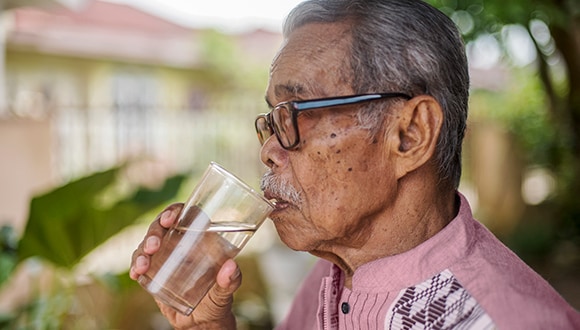
From increased thirst to unexplained tiredness, diabetes symptoms are easy to dismiss. Here’s what to look for and when to speak to your GP.
Maybe you’ve noticed you’re thirstier than usual, making more trips to the bathroom or feeling unusually tired… It’s easy to brush these changes off as stress or just a passing phase, but they can also be signs of diabetes.
While the symptoms of type 1 diabetes can often appear suddenly, type 2 diabetes can develop slowly over time. Many people experience subtle diabetes symptoms for years before diagnosis. That’s why paying attention to any changes can be an important first step towards deciding whether to speak to your GP.
The most common symptoms of diabetes
The most common symptoms for both type 1 and type 2 diabetes include fatigue, increased thirst, frequent urination, problems with vision, slow healing cuts or sores and leg cramps.
| Symptom | What it can feel like |
|---|---|
| Tiredness | A level of tiredness or exhaustion that won't go away. |
| Thirst | An increased need to drink, but you never feel satisfied. |
| Changes in weight | Sudden weight loss without trying, or despite having an increased appetite (type 1 diabetes). Gradual weight gain (type 2 diabetes). |
| Frequent urination | For adults, an increased need to go to the toilet, including overnight. For children, in addition to urinating more than usual, bedwetting may be an early sign of type 1 diabetes, especially if they have been previously dry overnight. |
| Problems with vision | Blurry vision that makes it hard to concentrate, drive or read. |
| Leg cramps | Muscle cramps or tightness in the legs. |
| Slow healing cuts or sores | Cuts, wounds or sores that take longer than usual to heal. |
This information is general in nature and is not a substitute for medical advice. If you're concerned about any of these symptoms, speak with your GP or healthcare provider.
Symptoms can vary between type 1 and type 2 diabetes, and some people may experience only a few symptoms or none at all.
Diabetes symptoms that are easy to miss
Early signs of diabetes can sometimes be easy to dismiss, says Phathi.
For example, studies show women sometimes report recurring infections like thrush before a diagnosis.
“Women often prioritise others before themselves,” says Phathi. “And their symptoms are often attributed to hormones, stress, menopause or busy lifestyles.”
Some of the diabetes symptoms people may overlook include:
- slow-healing cuts and wounds
- constantly itchy or dry skin, and infections or recurring rashes
- mood swings and irritability
- a numbness, burning sensation or ‘pins and needles’ in hands and feet, commonly associated with type 2 diabetes.
How type 1 and type 2 diabetes compare
Diabetes affects how your body metabolises glucose (sugar). A key part of this process is the hormone insulin, which is produced by your pancreas and turns glucose from food into energy.
Phathi outlines several key differences between type 1 and type 2 diabetes:
Type 1 diabetes
Type 1 diabetes is an autoimmune disease that occurs when the pancreas can no longer produce insulin.
People with type 1 diabetes:
- require lifelong insulin treatment
- develop symptoms rapidly
- don’t develop the condition as a result of lifestyle factors like poor diet or not enough exercise
- are diagnosed most often in childhood, adolescence or young adulthood, although can be diagnosed at any age.
Type 2 diabetes
Type 2 diabetes, the most common form of diabetes, occurs when the pancreas isn’t producing enough insulin and/or the insulin isn’t working effectively due to insulin resistance.
- often develop symptoms slowly over time
- commonly develop the condition due to genetic causes or lifestyle factors like excess weight, lack of physical activity and smoking
- can manage their condition through healthy eating and lifestyle habits and, in many cases, oral medication and insulin.
Watch the video to learn how the Royal Flying Doctor Service (RFDS) primary care team supports people with type 2 diabetes living in the bush.
Pre-diabetes symptoms
Pre-diabetes is a condition where blood glucose levels are higher than normal, but not yet high enough for a diagnosis of type 2 diabetes, explains Phathi. People with pre-diabetes are at increased risk of developing type 2 diabetes and cardiovascular disease.
“Pre-diabetes usually has no symptoms, and many people only discover it through routine blood tests,” she says.
A blood test – either fasting or non-fasting – checks your blood sugar levels. If they’re raised, you may need to have an oral glucose tolerance test (OGTT) to help determine if you’re pre-diabetic. (An OGTT is also the standard test used to check for gestational diabetes – a type of diabetes that starts during pregnancy.)
When to see a doctor
Early detection and small lifestyle changes can make a significant difference to your long-term health, says Phathi. It’s time to talk to a doctor about having a screening test if:
- you experience persistent symptoms like frequent urination, excessive thirst, fatigue, weight changes or blurred vision
- your symptoms interfere with daily life, including sleep, appetite or mood
- you have recurrent infections or slow-healing wounds
- you have risk factors like a family history of diabetes, are over 40 or are from an Aboriginal and Torres Strait Islander, Pacific Islander, Indian subcontinent or Chinese cultural background.
What support can HCF members get?
Recognising diabetes symptoms is the first step. The next is getting the right support and taking action to manage your health.
Eligible HCF members can access a range of programs and tools, including:
- HCF Heart and Diabetes Health Check: Eligible members 18 years and older can get this check at no cost, delivered by the Victor Chang Cardiac Research Institute, at selected locations and dates*. It provides an indication of whether you may have type 2 diabetes or are pre-diabetic, plus it measures your risk levels of having a cardiovascular event.
- CSIRO Total Wellbeing Diet: Eligible members can get free or discounted access to the evidence-based CSIRO Total Wellbeing Diet^. Created by Australia’s national science agency, it combines a higher protein, low-GI eating plan with exercise and proven weight management tools to help improve habits and create lifelong positive behaviours.
Take control of your diabetes with expert support
If you’ve recognised possible type 2 diabetes symptoms, getting the right support early can make a real difference to how you manage your health. The COACH Program® is supported by an in-house team of accredited health professionals who help eligible members manage their diabetes or heart condition#. Our team of dietitians, pharmacists, exercise physiologists and nurses works with you and your GP through a four- to six-month phone-coaching program to improve individual health outcomes.
Related articles
Can you reverse pre-diabetes?
If you’re pre-diabetic, important lifestyle changes can reduce your risk of developing type 2 diabetes. Here's what to do.
How mental health can affect your weight
Stress and anxiety can make weight management more challenging. Here’s how to positively align your mental wellbeing and eating habits.
7 common diet mistakes
Diet advice can be confusing and even conflicting. We asked two dietitians about the most common diet mistakes they see and their advice for staying on track.
Lifestyle changes to reverse diabetes
Whether you’ve been diagnosed with pre-diabetes or type 2 diabetes, or want to reduce your risk of developing either, here are six lifestyle changes to consider.
IMPORTANT INFORMATION
* Eligibility criteria apply. For more information, see hcf.com.au/victorchang
^ Eligibility criteria apply. For more information, see hcf.com.au/csiro-total-wellbeing-diet
# Eligibility criteria apply. For more information, see hcf.com.au/coach
This communication contains information which is copyright to The Hospitals Contribution Fund of Australia Limited (HCF). It should not be copied, disclosed or distributed without the authority of HCF. Except as required by law, HCF does not represent, warrant and/or guarantee that this communication is free from errors, virus, interception or interference. All reasonable efforts have been taken to ensure the accuracy of material contained on this website. It’s not intended that this website be comprehensive or render advice. HCF members should rely on authoritative advice they seek from qualified practitioners in the health and medical fields as the information provided on this website is general information only and may not be suitable to individual circumstances or health needs. Please check with your health professional before making any dietary, medical or other health decisions as a result of reading this website.
