
Health Agenda
Healthy chocolate brownie recipe
Published March 2026 | 5 min read
Expert contributor: Claudia Ongko, accredited practising dietitian and HCF Health Coach
Words by Tegan Forder
Boost your family’s vegie intake with this healthy chocolate brownie recipe – plus, try other dietitian-approved dessert and snack ideas.
Sneaking vegies into meals is a classic parenting trick. And it works just as well in baking – adding nutrition, natural sweetness and flavour to favourite lunchbox snacks and desserts.
Accredited practising dietitian and HCF Health Coach Claudia Ongko says hiding veg works for kids, fussy eaters or adults who don’t enjoy – or eat enough – vegetables.
The benefits of hiding veg in baking
Adding more vegies in when baking can help make sure kids are eating a nutritious and balanced diet.
“Using vegies can help add fibre, vitamins, minerals and antioxidants in baked goods without impacting the overall taste,” says Claudia.
The added fibre from vegetables can also make baked goods feel more satisfying – leaving you feeling fuller.
“Some vegetables like pumpkins, sweet potatoes, carrots and beetroot also add natural sweetness, reducing the amount of added sugar needed in the recipe,” says Claudia.
Other types of vegetables can add moisture for softer baked goods, bring natural colour (beetroot, pumpkin or sweet potato) and even replace some fats – like using avocado.
Different vegetables serve different purposes in baking, adding unique flavours, textures and nutrients to your favourite treats.
- Carrot: naturally sweet and adds moisture for softer baked goods.
- Zucchini: blends easily and its mild flavour means it can go relatively undetected in baked goods.
- Pumpkin: creamy and dense texture, naturally sweet and a pop of natural orange colour.
- Sweet potato: naturally sweet and its creamy and thick texture provides good structure.
- Beetroot: provides a natural dark red colour tone and adds moisture.
- Spinach: blends easily giving a smoother texture and green colour.
Best hidden veg recipes for the lunchbox
“Aim for naturally sweet ingredients that aren’t overly sugary,” says Claudia, pointing to recipes that use fruit-based sweeteners like banana or apple purée or vegetable purée.
She also suggests choosing recipes with whole grains or fibre like rolled oats, wholemeal flour, oat flour, vegetables and seeds – “to maintain steady energy and blood sugar”.
It’s a good idea to choose baked goods that won’t crumble, aren’t sticky, hold their shape and are a good size for a standard lunchbox.
Look for sweet dessert and muffin recipes like:
- carrot and parsnip cake and muffins
- zucchini chocolate muffins
- pumpkin oat muffins
- chocolate beetroot cake and muffins
- banana carrot loaf bread
- pumpkin-spiced bread and cake
- sweet potato or pumpkin brownies or fudge cake
- carrot oat cookies
- pumpkin chocolate chip cookies.
3 tips for adding vegies to baked goods
1. Get the texture and consistency right
Fussy eaters can usually spot chunky pieces of vegetables, so make sure you blend vegies well with wet ingredients or finely grate carrots and zucchini.
Harder vegetables like sweet potato or beetroot should be pre-cooked before blending and be sure to squeeze out excess liquid from zucchini or spinach to prevent a soggy batter.
2. Pick tasty flavour combinations
Claudia’s go-to pairings are:
- banana, carrot and cinnamon
- pumpkin, cinnamon and maple or honey
- sweet potatoes or pumpkin, chocolate and vanilla
- zucchini or beetroot and chocolate
- spinach, banana and vanilla
- chocolate and pumpkin spice
- carrot, orange and vanilla.
3. Mask strong vegetable flavours
- Match the vegetables to the right flavour profile and avoid using ones that have a strong taste like broccoli, cabbage or peas.
- Use a small amount of vanilla, cinnamon, citrus zest or chocolate chips to reduce the vegetable taste.
- Use the right ratios so the vegetable flavour doesn’t dominate – e.g. for a batch of muffins, use half to 1 cup of vegetable purée or 1 to 1.5 cups of grated vegetables.
- Choose muffins, loaves, brownies or bars so the hidden vegetables integrate well into the baked product with an appealing texture.
If you’re looking for more ideas to support your kids’ nutrition, HCF’s Healthy Families for Life program gives eligible members* access to expert-led resources.
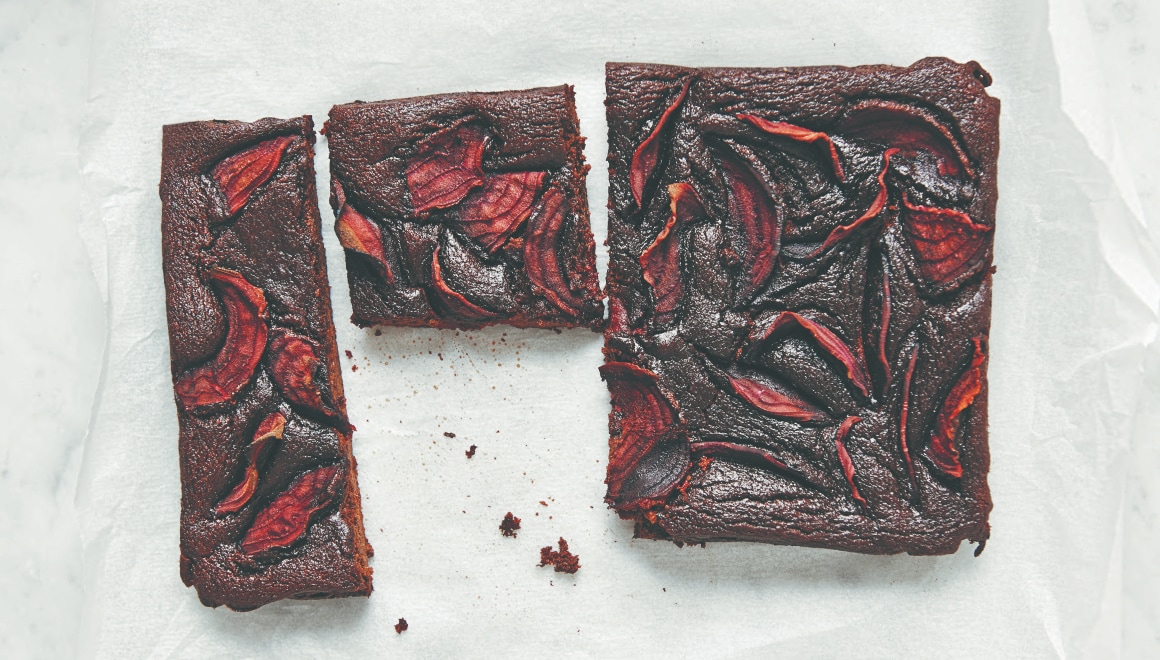
Beetroot and chocolate brownies
Start your hidden-veg baking journey with a popular and traditionally indulgent treat – chocolate brownies, reimagined as nourishing gluten-free brownies.
Straight from Carla Oates' The Beauty Chef, this healthy take on a beloved classic combines beetroot, medjool dates and cacao with a dash of maple syrup for sweetness. The result is rich, earthy gluten-free brownies that satisfy your chocolate craving without spiking your blood sugar.
Prep time: 40 minutes
Cook time: 25 to 30 minutes
Makes: 12 pieces
Ingredients
- 250g beetroot
- 6 medjool dates, pitted
- ¾ cup (60g) cacao powder
- ¼ cup (60ml) coconut oil, melted
- 3 eggs
- ¼ cup (60ml) maple syrup
- 1 cup (100g) almond meal
- ¼ cup (60ml) coconut drinking milk (or any nut milk)
- 1 tsp gluten-free baking powder
- 1 tsp vanilla bean powder (available at health stores)
- ¼ tsp bicarbonate of soda (baking soda)
- Pinch of Himalayan salt
Method
- Preheat the oven to 190°C (375°F). Lightly grease and line a 25cm×16cm×3cm tray with baking paper.
- Peel the beetroot and cut 150g into chunks of about 3cm. Place in a small saucepan, cover with cold water and bring to the boil. Simmer for 20 to 25 minutes, until tender. Drain.
- Soak the dates in enough boiling water to just cover for 10 minutes, or until softened. Drain.
- Place the cooked beetroot and softened dates in a high-speed blender and process until smooth. Add the cacao powder, coconut oil, eggs and maple syrup, and blend to combine. Add the almond meal, coconut milk, baking powder, vanilla, bicarbonate of soda and salt, and blend to combine.
- Pour the mixture into the prepared tray.
- Using a mandoline or vegetable peeler, thinly slice the remaining beetroot. Arrange and twist beetroot slices into the top of the batter.
- Bake for 25 to 30 minutes, until just firm and a skewer comes out clean when inserted into the centre.
- Set aside to cool completely.
- Cut into 12 even pieces.
Help your kids build lifelong healthy habits
Need more guidance to help your kids develop balanced eating habits that support their growth and long-term health? We’ve partnered with Ethos Health to bring our members* Healthy Families for Life and Healthy Teens for Life, which are resources to support kids, from birth to teens, to develop positive nutritional habits for growth and development and reduce the risk of chronic conditions in their future.
More Recipes
Hidden vegie meatballs
This family meal is full of nutrients, including sources of vitamin C to boost your immune system.
Foods to boost your immune system
Include these nine immune-friendly foods in your diet during the cooler months to give your body the best chance of keepings colds and flu at bay.
Healthy lunchbox ideas
Kids' school lunches should be nutritious, filling and help sustain energy. These school lunchbox ideas and recipes are quick, easy and tick all the boxes.
Fresh herb frittata recipe
Discover the health benefits of fresh herbs and try a nutritious spring herb frittata recipe you’ll want to make again.
IMPORTANT INFORMATION
* Eligibility criteria apply. For more information, see hcf.com.au/healthyfamilies
This communication contains information which is copyright to The Hospitals Contribution Fund of Australia Limited (HCF). It should not be copied, disclosed or distributed without the authority of HCF. Except as required by law, HCF does not represent, warrant and/or guarantee that this communication is free from errors, virus, interception or interference. All reasonable efforts have been taken to ensure the accuracy of material contained on this website. It’s not intended that this website be comprehensive or render advice. HCF members should rely on authoritative advice they seek from qualified practitioners in the health and medical fields as the information provided on this website is general information only and may not be suitable to individual circumstances or health needs. Please check with your health professional before making any dietary, medical or other health decisions as a result of reading this website.
