
Health Agenda
What foods are superfoods – and do they live up to the hype?
Published March 2026 | 5 min read
Expert contributor: Shadia Djakovic, Specialist Dietitian and Research Lead, CPC RPA Health for Life Program
Words by Donnay Torr
Key takeaways
- Some of the most beneficial ‘superfoods’ are everyday vegetables that are nutrient-dense and affordable.
- Many Australians don’t eat the recommended serves of vegetables per day.
- Budget-friendly swaps (fresh, frozen, seasonal veg, legumes, whole grains) can deliver similar benefits to trendy and pricey ‘superfoods’.
- We break down a practical superfood list, including whether brussels sprouts, kale, wheatgrass and seaweed deserve the title.
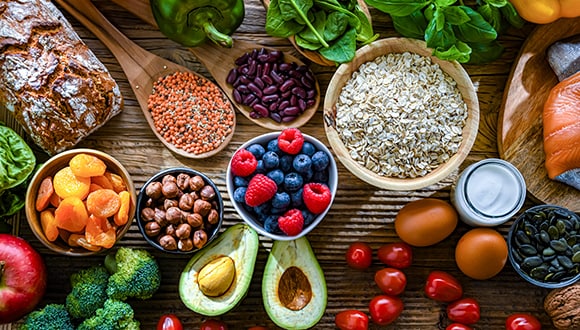
Discover the everyday foods that deliver real nutrition and how to build a ‘superfood’ diet without overspending.
While exotic ingredients often get the spotlight, some of the most beneficial foods aren’t expensive imports at all – they’re everyday vegetables packed with powerful nutrients.
Why does this matter? Because Australians are eating well under the recommended number of vegetable serves. Recent data shows Aussies eat on average about 2.2 serves of vegetables and legumes per day – less than half the roughly five serves recommended by dietary guidelines.
The gap makes room for a rethink. Maybe it’s time to stop chasing expensive superfoods and start rediscovering the nutritional power of everyday vegies.
What are superfoods?
“I think the term ‘superfood’ is very much a marketing term, unfortunately,” says Shadia Djakovic, Specialist Dietitian and Research Lead at the CPC RPA Health for Life Program. “These foods, while highly nutritious, are not that different to other foods that have been part of our diets for years.”
There's no scientific registry or official list of superfoods. Instead, the label is often used to describe foods or drinks with unusually high levels of certain nutrients or phytochemicals. Over time, goji berries, acai, quinoa – even kale and broccoli – have cycled in and out of popularity with those keen to improve their diet.
“I think, deep down, we’re all looking for a shortcut – some kind of special, magical ingredient that’s going to fix our lives,” says Shadia. “But when most Australians don’t eat their five serves of vegies a day, the evidence suggests we should go back to basics: focus on a balanced diet filled with the most beneficial foods for health – plenty of vegetables, legumes and whole grains – before splurging on exotic imports or expensive supplements.”
A list of superfoods and their affordable, everyday alternatives
These are some common foods often labelled ‘superfoods’, along with their benefits – and Shadia suggests how to make similarly nutritious choices without overspending.
Goji berries or acai berries
- Key nutrients: vitamin A, antioxidants
- Budget-friendly alternative: raspberries, blueberries
Quinoa
- Key nutrients: fibre, protein
- Budget-friendly alternative: lentils, chickpeas, brown rice
Chia seeds
- Key nutrients: calcium, iron, zinc, magnesium, protein
- Budget-friendly alternative: sesame seeds, nuts
Kale
- Key nutrients: vitamin K1, vitamin A, folate, fibre
- Budget-friendly alternative: other leafy greens – spinach (fresh or frozen), silverbeet, cabbage, broccoli
Pomegranate
- Key nutrients: vitamin C, fibre, potassium, antioxidants
- Budget-friendly alternative: red grapes, beetroot, apples (with skin)
Wheatgrass
- Key nutrients: iron, calcium, chlorophyll
- Budget-friendly alternative: spinach, parsley, dill
Coconut water
- Key nutrients: electrolytes (especially potassium) and antioxidants
- Budget-friendly alternative: water and a banana, milk
Are Brussels sprouts a superfood?
Brussels sprouts are considered a ‘superfood’ by those who use the term because they’re rich in fibre, vitamin C, folate and vitamin K1, which support immune, gut and vascular health. Adding a serve or two each week is a budget-friendly way to boost key nutrients.
Is kale a superfood?
Love it or loathe it, kale is one of the richest sources of vitamin K1 in Australian-grown vegetables. Research has found regular consumption of leafy greens like kale and spinach is linked to a lower risk of atherosclerotic vascular disease (a condition caused by plaque build-up in the arteries), while cruciferous vegetables from the Brassica family, like broccoli and cabbage, may help lower blood pressure and heart disease risk.
Shadia shares a favourite tip for preparing kale: “Wash it properly first, because there are many areas for dirt to hide. Then massage olive oil and lemon juice into the leaves. It softens it, so it’s still crunchy, but not chewy, and delicious.”

Is wheatgrass a superfood?
While wheatgrass contains antioxidants, vitamins and minerals, more robust research is needed to support many of its claimed benefits. Wheatgrass also lacks the fibre, nutrient complexity and proven long-term health benefits of leafy greens, legumes and whole foods, Shadia explains.
Is seaweed a superfood?
Seaweed contains nutrients land-based vegetables don’t, including iodine and certain minerals. Research suggests it may support heart health, blood sugar regulation and gut health. But iodine levels vary widely, and some seaweed can accumulate heavy metals. Enjoy it occasionally, not as a daily staple.
Everyday essentials for your diet
Foods including oily fish, extra virgin olive oil, nuts and seeds, legumes and fruit provide a wide range of essential nutrients. Together with vegetables, they support long-term health and immunity far better than relying on a single ‘superfood’.
Shadia also recommends these everyday staples:
- Parsley: “It’s high in iron, and you also get vitamin C and vitamin A.”
- Black beans: “Cheap as chips! Also packed with fibre, plant protein and phytochemicals like anthocyanins for heart and brain health.”
- Fermented dairy like yoghurt or kefir: “A great source of calcium, probiotics and protein.”
- Olive oil: “Choose fresh, extra virgin olive oil as a great source of monounsaturated fatty acids and phenolic compounds – antioxidants that benefit the whole body.”
- Oats or barley: “Contain beta glucan with cholesterol-lowering properties.”
- Brown rice: “Adds fibre and a whole host of nutrients and antioxidants – pair it with legumes for a complete protein.”
“Many of these foods are staples of Mediterranean diets, which are some of the healthiest in the world,” she adds. “I always say, ‘eat the rainbow’ to make sure you’re getting a diverse array of phytochemicals and nutrients.”
The cost of eating well
With food prices rising, many Aussies may assume healthy eating is expensive. But, says Shadia, “there have been numerous research papers that show that a healthy diet isn’t more expensive than a highly processed diet.”
Try her shopping tips to eat well for less.
- Buy seasonal, local produce: This may mean paying a little more for fresh fruit and vegies at your local farmer’s market, but the payoff is that they’re fresher, haven’t been on shelves for as long and will last longer.
- Choose frozen vegies and fruit: Just as nutritious, more affordable and less perishable.
- Stock up on legumes: Dried or canned beans or lentils are cheap, nutritious and versatile.
- Plan and prep meals: Batch cooking reduces food waste and makes healthier choices easier.
Looking for more ways to help your family eat well? We’ve partnered with Ethos Health to bring our members* Healthy Families for Life and Healthy Teens for Life, which are resources to support kids, from birth to teens, to develop positive nutritional habits for growth and development and reduce the risk of chronic conditions in their future.
Get more nutrition support
Want to learn how to include nutrient-packed foods in your meals, plus get recipes to boost your wellbeing? Eligible members can get free or discounted access to the evidence-based CSIRO Total Wellbeing Diet^. Created by Australia’s national science agency, it combines a higher-protein, low-GI eating plan with exercise and proven weight management tools to help improve habits and create lifelong positive behaviours.
Related articles
Healthy breakfast ideas
High-protein breakfasts, like this chia pudding, can help improve your mood, reduce feelings of irritability and fatigue, and set you up for the day.
6 sources of plant-based protein
Learn how to include plant-based protein meals into your daily routine.
How to eat well for less
Eating well doesn’t have to be expensive. Forget pricey ingredients and choose seasonal produce and ingredients that can make your meals stretch further.
Ultra-processed foods
Ultra-processed foods are everywhere these days. But what exactly are they? We explore the health risks and offer simple, healthier food swaps.
IMPORTANT INFORMATION
* Eligibility criteria apply. For more information, see hcf.com.au/healthyfamilies
^ Eligibility criteria apply. For more information, see hcf.com.au/csiro-total-wellbeing-diet
This communication contains information which is copyright to The Hospitals Contribution Fund of Australia Limited (HCF). It should not be copied, disclosed or distributed without the authority of HCF. Except as required by law, HCF does not represent, warrant and/or guarantee that this communication is free from errors, virus, interception or interference. All reasonable efforts have been taken to ensure the accuracy of material contained on this website. It’s not intended that this website be comprehensive or render advice. HCF members should rely on authoritative advice they seek from qualified practitioners in the health and medical fields as the information provided on this website is general information only and may not be suitable to individual circumstances or health needs. Please check with your health professional before making any dietary, medical or other health decisions as a result of reading this website.
