
Health Agenda
Gluten-free pancakes
Published October 2025 | 5 min read
Expert contributor: Stefanie Lekkas, accredited practising dietitian
Words by Tegan Forder
Discover dietitian-approved tips for avoiding gluten – plus easy meal ideas and a simple recipe for gluten-free pancakes.
Gluten is a protein found in wheat, rye, barley and sometimes in oats (due to cross-contamination). With binding and ‘glue-like’ properties, it’s often added to processed foods to improve their texture, shape and flavour.
The body can't completely break down gluten in the digestive process, and this doesn’t pose a problem for most people. But for some, having undigested gluten in their body can lead to adverse health conditions.
Who should eat gluten-free food?
Around one in 70 Australians has coeliac disease, an autoimmune disease where the body attacks itself, damaging parts of the digestive system – specifically, they target the finger-like projections called villi in the small intestine, which are responsible for nutrient absorption.
Left untreated, coeliac disease can lead to symptoms and conditions like:
- diarrhoea, stomach pain, nausea, vomiting, bloating and constipation
- unexplained weight loss
- severe or recurrent mouth ulcers
- prolonged fatigue or lethargy
- failure to thrive or delayed puberty in children
- anaemia from a lack of iron, as well as other vitamin and mineral deficiencies.
Accredited practising dietitian Stefanie Lekkas explains some people may not have coeliac disease but can experience some of these symptoms after eating gluten. These people may have gluten intolerance – or non-coeliac gluten sensitivity. Along with those who have irritable bowel syndrome, they may choose to follow a gluten-free diet – but Stefanie advises people to consult their doctor or dietitian, as gluten isn’t always the problem.
“It’s really important to know what exactly you’re avoiding and why so you can have the most liberal diet possible with the fewest symptoms and negative health impacts,” she says.
How to set up a gluten-free kitchen
Going completely gluten-free is the primary treatment for people diagnosed with coeliac disease.
“The strict gluten-free diet has some nuances and can be overwhelming at first,” says Stefanie. “Consulting an accredited practising dietitian for one-on-one tailored support for your individual situation is highly recommended.”
First up, she suggests buying grain alternatives like rice, quinoa, polenta, sorghum, millet and teff.
“Once you’ve stocked up on grain staples, assess other areas of your pantry. Things like tinned legumes, tomatoes and fish are naturally gluten-free and make a great base for a quick meal.”
Swaps for common staples include:
- gluten-free condiments – look for products labelled ‘gluten-free' or featuring the Coeliac Australia logo
- gluten-free granola and nut bars instead of oat-based ones
- rolled buckwheat instead of oats
- gluten-free seedy or rice crackers
- gluten-free noodles made from rice rather than wheat
- wholemeal gluten-free or pulse-based pastas.
Easy gluten-free meal ideas
Stefanie offers the following tips for planning gluten-free meals.
Choose wholefoods
Fruits, vegetables, legumes (like beans and lentils), nuts, eggs, seeds, meat, fish and poultry are naturally gluten-free.
Tweak your classics
Try different gluten-free pastas and pizza bases to find one you like.
For a chicken schnitzel, use all-purpose gluten-free flour as a coating and gluten-free breadcrumbs or polenta for the crunchy crumb.
For pastry-based dishes like quiches, try making a gluten-free rosti base (crispy grated potato).
Find kid-friendly, gluten-free recipes
Try frittatas and omelettes, homemade baked fish and chips, loaded jacket potatoes, toasted sandwiches with gluten-free bread, rice paper rolls, gluten-free mini pizzas and quesadillas made with gluten-free wraps.
Choose naturally gluten-free cuisines
Mexican-inspired food like tacos, burritos and nachos can be made with 100% gluten-free corn tortillas or chips, while many Asian dishes based on rice are also gluten-free.
You can find more information about coeliac disease and gluten-free recipes on the Coeliac Australia website. And for an easy breakfast the whole family can enjoy, try these light, wholesome and naturally gluten-free buckwheat pancakes from Anastasia Zolotarev’s Sour Cherries and Sunflowers. Sweetened with honey instead of refined sugar, they come in two tasty variations: a berry-loaded version and an apple-cinnamon twist.
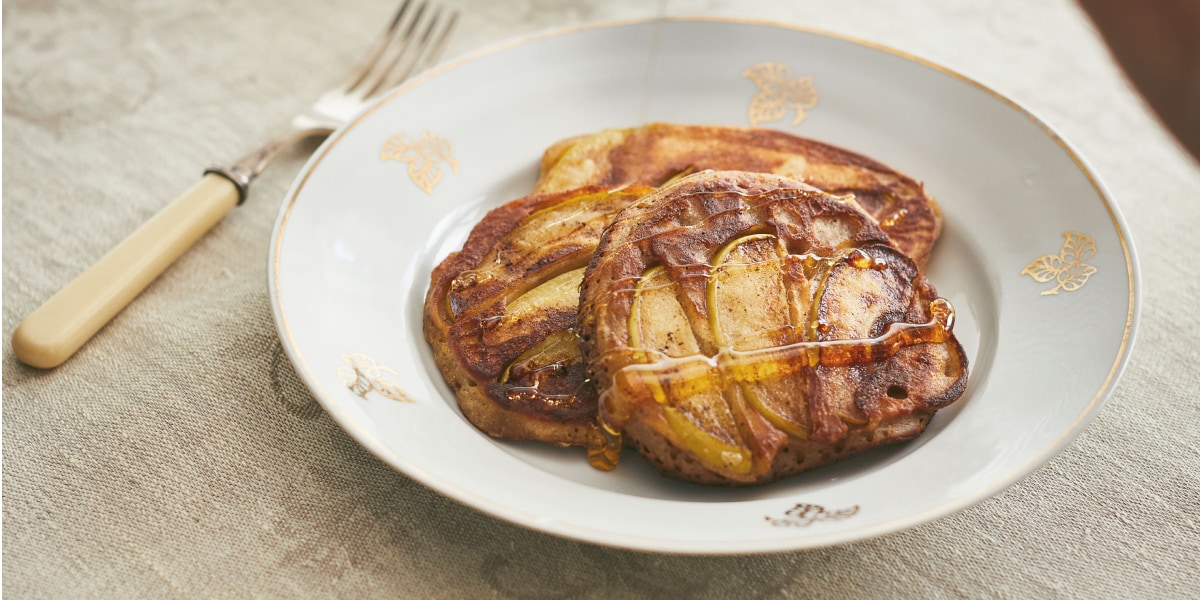
Buckwheat pancakes, 2 ways
Prep time: 15 minutes
Cooking time: 20 minutes
Serves: 4
Ingredients
- 260g thick, full-fat yoghurt
- 250ml milk
- 1 egg
- 1 generous tbsp runny honey, plus extra to serve
- ½ tsp bicarbonate soda (baking soda)
- 1 tsp apple cider vinegar
- 300g buckwheat flour
- pinch salt
- butter or oil, for frying
- sour cream, to serve
Variation: blueberry sauce
- 280g blueberries (fresh or frozen)
- 2 heaped tbsp runny honey, plus extra to serve
Variation: apple and cinnamon
- 1 tsp ground cinnamon
- 2 to 3 apples, halved, cored and thinly sliced
- runny honey, to serve
Method
- In a large mixing bowl whisk together the yoghurt, milk, egg and honey. Stir the bicarbonate soda and vinegar in a small cup until fizzing, then add to the mixing bowl with the flour and salt. Whisk to combine, then let stand for 10 minutes. Give it a final whisk: the batter should be fairly thick but runny.
- Heat a large frying pan over a medium to high heat. Add a knob of butter (or oil) and move it around to coat the surface of the pan as it melts. Add a heaped tablespoon of the batter to the pan for each pancake – you should be able to cook 3 to 4 simultaneously. Cook for 3 minutes on each side; add more butter or oil for each batch and adjust the heat if it’s too high.
- Serve with sour cream and an extra drizzle of honey, if you like.
- For the blueberry sauce variation, cook the buckwheat pancakes as above. Meanwhile, make the sauce by placing the blueberries and honey in a saucepan. Bring to a simmer and cook, stirring occasionally, over a medium heat for 5 to 7 minutes. Serve the sauce warm over the pancakes, with sour cream and an extra drizzle of honey.
- For the apple and cinnamon variation, prepare the pancakes as above, but stir the cinnamon into the pancake batter along with the salt. Leave to stand. As you add heaped tablespoons of batter into the hot pan, place a few of the apple slices, slightly overlapping, on each pancake and cook over a medium to high heat for 3 minutes. Flip onto the other side, adding more butter or oil to the pan, reduce the heat to medium and cook for 4 minutes – the apple side will need slightly longer for the batter to cook through completely. Cook the remaining pancakes, adding more butter for each batch. Serve with a dollop of sour cream and a generous drizzle of runny honey.
Helping you thrive
Maintaining a balanced diet over time can be hard to sustain – especially when catering to dietary needs like gluten intolerance, allergies or sensitivities. That's why we've partnered with Digital Wellness to give eligible members access to the evidence-based CSIRO Total Wellbeing Diet*. The program includes gluten-free eating plans with proven weight management tools to help improve habits.
More Recipes
Date and almond meal scone
Learn how baking can support gut health with nourishing ingredients – plus, try a delicious, gut-friendly scone recipe.
Easy gluten-free apple cake
Craving a sweet treat? Try this delicious and healthy German apple cake, plus learn from a dietitian how to replace refined sugar with natural sweeteners.
Healthy breakfast ideas
These delicious healthy breakfast ideas will get your day off to a great start – and could have longer term benefits, too.
Vegan banana bread
This vegan banana bread recipe is not only simple to make, it’s healthy, gluten-free and packed with flavour. Is it the best? We think so.
IMPORTANT INFORMATION
* Eligibility criteria apply. For more information, see hcf.com.au/csiro-total-wellbeing-diet
This communication contains information which is copyright to The Hospitals Contribution Fund of Australia Limited (HCF). It should not be copied, disclosed or distributed without the authority of HCF. Except as required by law, HCF does not represent, warrant and/or guarantee that this communication is free from errors, virus, interception or interference. All reasonable efforts have been taken to ensure the accuracy of material contained on this website. It’s not intended that this website be comprehensive or render advice. HCF members should rely on authoritative advice they seek from qualified practitioners in the health and medical fields as the information provided on this website is general information only and may not be suitable to individual circumstances or health needs. Please check with your health professional before making any dietary, medical or other health decisions as a result of reading this website.
