
Health Agenda
Anti-inflammatory diets: What does the science say?
Published August 2026 | 5 min read
Expert contributors: Zahra Munas, HCF Health Coach; Josie Calderwood, Dietitian, Royal Flying Doctor Service
Words by Lucy E Cousins
Key takeaways
- Chronic inflammation is linked to heart disease, type 2 diabetes, arthritis and some cancers.
- There is no single ‘anti-inflammatory diet’, but eating vegies, fruit, whole grains, legumes, seafood, nuts and olive oil is associated with lower levels of inflammation.
- No single food can reduce inflammation on its own. Overall eating habits matter most.
- Eligible members may be able to access dietitian-led, HCF-approved weight management programs.

From spinach to blueberries, here's what the science says about anti-inflammatory diets and which foods can keep you healthier in the long term.
Inflammation is the body’s natural healing response – helping to fight infection and repair tissue damage. In the short term, this is a healthy and important process known as acute inflammation.
Chronic inflammation can occur when that response doesn’t fully switch off. Instead, the immune system stays mildly activated, which can gradually damage healthy tissues and organs. Researchers now link chronic inflammation to a range of long-term conditions, including heart disease, type 2 diabetes, arthritis and some cancers.
While many factors affect inflammation, research suggests diet can play an important role. Diets high in ultra-processed foods and low in whole, nutrient-rich foods are associated with higher levels of inflammation, while diets like the Mediterranean diet, which are rich in vegetables, whole grains, seafood, nuts and olive oil, are linked to better long-term health.
There’s also growing evidence that what we eat can affect brain health. A recent study found that people who followed a more anti-inflammatory style of eating had a lower risk of developing dementia over time. While healthy eating can’t guarantee protection against dementia, research suggests it may play a role in supporting cognitive health as we age.
So, is there really such a thing as an ‘anti-inflammatory diet’ – and what does the evidence say? Learn the science behind inflammation and diet, discover the foods commonly linked with anti-inflammatory eating and explore practical ways to build healthier meals.
What is an anti-inflammatory diet?
There’s no single, medically recognised ‘anti-inflammatory diet’, however eating food with anti-inflammatory properties does have benefits. Research suggests a diet incorporating fruits, vegies, whole grains, legumes, fatty fish, nuts, olive oil and phytochemicals could lower inflammation, lengthen lifespan and decrease the risk of chronic diseases.
“An anti-inflammatory diet is one that includes foods high in antioxidants, which help the body to neutralise unstable molecules, known as free radicals, and may help reduce inflammation,” explains HCF Health Coach Zahra Munas.
The greatest benefits typically come when these eating habits are maintained over a long period of time. Researchers say it helps to adopt a healthy mindset, stay consistent with diet and exercise and monitor your progress.
The key anti-inflammatory ingredients and the science behind them
While there are many anti-inflammatory food groups, Zahra says it’s important to understand that no single ingredient works in isolation and your overall diet is what matters most.
“To get the full benefit of an anti-inflammatory diet, eat a range of anti-inflammatory foods, rather than a lot of one or two items,” she says. “And limit processed items that are high in salt, fat and sugar.”
The aim, she adds, should be a balanced diet, including lean protein, fibre and a rich variety of ingredients, including the following options.
Berries
Strawberries, blueberries and blackberries all contain antioxidants, which control free radicals. These are unstable molecules that in small amounts can be good for you, but in larger amounts can cause inflammation. Research shows berries can reduce chronic inflammatory conditions, lower blood sugar and improve heart health.
Whole grains
Oats, barley, farro, wild rice, quinoa and sorghum are rich in nutrients, full of fibre and contain antioxidants. Research shows they can also reduce inflammation and help manage blood sugar, especially in people over 45.
Leafy greens
Kale, spinach, chard, cruciferous greens (think bok choy, broccoli, Brussels sprouts) and other leafy greens are packed full of antioxidants, vitamins, phytochemicals and fibre. Leafy greens have been linked to lower levels of inflammation and reduced risk of some cancers.
Fatty fish
Fish like salmon, ocean trout, sardines, mackerel and anchovies contain omega-3 fatty acids, which have been shown to lower levels of inflammation and improve overall health. Experts suggest regularly eating fatty fish may reduce the risk of type 2 diabetes and cardiovascular disease.
Healthy fats
Avocado, extra virgin olive oil, nuts and seeds are high in monounsaturated fatty acids (MUFAs), as well as omega-3. Research shows a diet high in MUFAs, especially olive oil, can lower inflammation, reduce insulin resistance and lower the risk of cardiovascular disease and cancer.
Spices
A quick way to supercharge a meal with flavour and nutritional value is to add spices. Garlic, for example, can help to boost the immune system, while cinnamon may help stabilise blood sugar. Turmeric contains curcumin, a plant compound that may also reduce inflammation and support brain health.
What to reduce: The other side of the equation
Foods that cause inflammation are typically high in salt, fat or sugar, in particular ultra-processed foods, deep-fried food, refined carbohydrates and foods that contain added sugars or trans fats.
Poor sleep, smoking or vaping, high alcohol intake and having a body mass index greater than 30 can also cause inflammation, says Zahra.
How to make healthy changes to your diet
Rather than following a strict anti-inflammatory diet, Zahra recommends following the Australian Dietary Guidelines, which focus on a variety of nutrient-rich foods from the five food groups.
“We need to think of this as a lifestyle change to improve our overall health, rather than a temporary ‘quick-fix’ change,” she explains.
This three-step lifestyle shift is a simple way to ease into it:
- Step 1: Add before you subtract. Increase vegetable diversity, add one fatty fish meal per week, swap refined grains for whole grains.
- Step 2: Look at overall patterns. Reduce the frequency of ultra-processed food and sugary drinks, and swap dessert for low-sugar options.
- Step 3: Build anti-inflammatory eating habits into every meal. Try using olive oil, adding berries to breakfast and eating leafy greens at lunch, or try this seafood salad recipe with anti-inflammatory ingredients.
You don’t have to splurge on expensive ingredients, either. There are plenty of ways to eat well on a budget, according to Royal Flying Doctor Service (RFDS) Dietitian Josie Calderwood. Josie is part of the organisation’s Community Health team in South Australia, and she helps to deliver the RFDS dietetics service – supporting patients in rural and remote communities to manage chronic conditions, improve their health and build sustainable lifestyle habits.
“When I'm giving advice around food, it's about what people can access, what's available in the town and the cost of food given the rising cost of living,” says Josie.
“Access to food can be very limited in some of the remote communities, so making meals that are cheap, enjoyable and nutritious for a whole family can be tricky.”
Josie recommends making meals that can be easily frozen and using canned and frozen vegies to keep costs down while including a range of food groups.
“Curries, stews, casseroles – especially in winter – can be a great way to be able to incorporate everything into the one pot,” she says. “It’s often an easy, cheap and affordable way, as well as enjoyable because you can add lots of spices and herbs to these meals.”
If you have any specific health conditions, seek medical support and consider speaking with an accredited practising dietitian for personalised dietary advice. Eligible members may be able to access dietitian-led, HCF-approved weight management programs and educational tools like Healthy Families for Life^, which provide expert-led resources to support children and their nutritional needs.
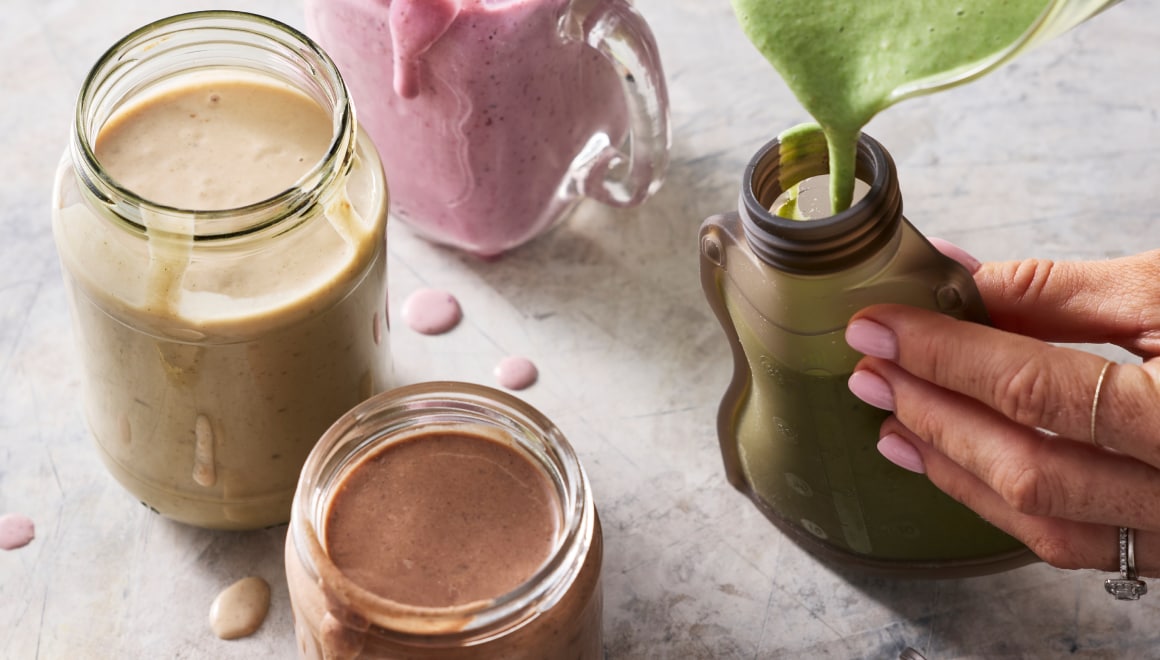
Smoothie four ways
Smoothies can be a great way to incorporate anti-inflammatory foods as a snack or as a breakfast on the go, says Zahra – but remember the kilojoules are the same whether you drink the foods or eat them. She also recommends:
- using a blender rather than juicer to help you keep the fibre from the ingredients
- adding a mixture of fresh and frozen items, e.g. berries or spinach
- combining fruit, whole grains, reduced-fat dairy and nuts and seeds.
Start with the base recipe below from Lunchbox Bible, then add your favourite flavour for a healthy (and delicious) snack or meal.
Prep time: 5 minutes
Serves: 2
Ingredients
Base
- 1 frozen banana, roughly chopped
- ¾ cup milk of choice (see notes)
- ½ cup frozen raw cauliflower and/or zucchini, roughly chopped
- ¼ cup dairy or coconut yoghurt (see notes)
- 1 tbsp hemp seeds
- 1 Medjool date, pitted
Berrylicious
- ½ cup frozen or fresh berries of choice
Choc full of beans
- ⅓ cup tinned black beans, drained and rinsed
- 1 tbsp raw cacao powder
- ¼ tsp ground cinnamon
- 1 Medjool date, pitted (optional, for extra sweetness)
- Pinch of salt
Green machine
- 1½ cups chopped fresh spinach (or 1 cup frozen, thawed and squeezed)
Vanilla milkshake
- ¼ cup tinned butter beans (lima beans), drained and rinsed (optional)
- 1 Medjool date, pitted
- ¼ tsp ground cinnamon
- Pinch of salt
Method
Put all the base ingredients into a blender along with your flavour additions and blitz until completely smooth.
Notes:
- For the ‘Choc full of beans’ smoothie, use coconut yoghurt or omit the yoghurt.
- Swap milk for coconut water in the ‘Berrylicious’ and ‘Green machine’ flavours.
- If packing the smoothie in a lunchbox, freeze it in a smoothie pouch – by lunchtime it will have defrosted to a perfect slushy consistency.
- Smoothies can be stored in the fridge for up to 24 hours in an airtight smoothie cup or jar. Shake well before serving. Store in the freezer for up to 2 months in reusable smoothie pouches, popsicle moulds or ice-cube trays.
This is an edited extract from Lunchbox Bible by Julia Tellidis and Lauren Skora.
Get expert-backed nutrition support
Looking for support to eat well and feel your best? Eligible members can get access at a discount or at no extra cost to the evidence-based CSIRO Total Wellbeing Diet+. Created by Australia’s national science agency, it combines a high-protein, low-GI eating plan with exercise and proven weight management tools to help improve habits and create lifelong positive behaviours.
Related articles
Healthy seafood salad recipe
The perfect anti-inflammatory, seafood salad recipe – light, healthy and easy to cook. The cannellini beans make it filling and substantial enough for dinner.
Can you reverse pre-diabetes?
If you’re pre-diabetic, important lifestyle changes can reduce your risk of developing type 2 diabetes. Here's what to do.
Lifespan vs healthspan
More than simply living longer, it’s important to age well. Discover what you can do to increase the number of years you live in good health.
5 tips for healthy ageing
Your lifestyle can impact how fit and well you feel as you age. Here are the science-backed ways to feel happier, fitter and stronger for longer.
IMPORTANT INFORMATION
^ Eligibility criteria apply. For more information, see hcf.com.au/healthyfamilies
+ Eligibility criteria apply. For more information, see hcf.com.au/csiro-total-wellbeing-diet
This communication contains information which is copyright to The Hospitals Contribution Fund of Australia Limited (HCF). It should not be copied, disclosed or distributed without the authority of HCF. Except as required by law, HCF does not represent, warrant and/or guarantee that this communication is free from errors, virus, interception or interference. All reasonable efforts have been taken to ensure the accuracy of material contained on this website. It’s not intended that this website be comprehensive or render advice. HCF members should rely on authoritative advice they seek from qualified practitioners in the health and medical fields as the information provided on this website is general information only and may not be suitable to individual circumstances or health needs. Please check with your health professional before making any dietary, medical or other health decisions as a result of reading this website.
