
Health Agenda
9 easy ways to eat well for less
Updated June 2026 | 5 min read
Expert contributor: Ingrid Phyland, accredited practising dietitian and public health nutritionist
Words by Tegan Forder
Key takeaways
- Families can still eat well for less with a little planning and meal prep.
- Choose cheaper ingredients and low-cost proteins like beans and legumes to make nutritious meals on a budget.
- Reduce your fruit and vegie bill by buying seasonal produce and choosing some frozen options.
- Shop around for specials and use unit pricing to compare items and save on foods.

Want to eat healthily while saving money on food shopping? A dietitian shares simple ways to shop smart, stretch ingredients and eat well for less.
Rising food prices are putting pressure on Australian households, with families now spending almost $20 extra on their weekly shop compared with their spend in 2023 – prompting many to look for ways to eat well for less.
Accredited practising dietitian and public health nutritionist Ingrid Phyland says with careful planning, tightening your food budget can lead to a more nutritious diet.
“Ideally, we want to be spending our well-earned funds on whole foods like fruit and veg, wholegrain breads and cereals and lean protein sources,” she says.
Try these savvy shopping tips to meet your family’s nutritional needs while saving money on groceries.
1. Plan your meals in advance
Ingrid says allocating time to meal planning and budgeting becomes more of a priority when you’re trying to cut costs. It also helps to reduce your reliance on expensive takeaway and foods high in refined sugar and saturated fat.
“You can then prepare more meals at home that contain whole foods, including vegetables, whole grains and lean protein.”
To keep costs down, Ingrid suggests:
- doing a stocktake of what you have in the pantry, fridge and freezer
- creating a weekly meal plan based on what you have and what’s in season
- writing a list of only the items you need
- shopping once a week instead of daily.
2. Look for budget-friendly recipes
Making food at home is often cheaper and healthier than packaged or takeaway foods – and a great way to create healthy affordable meals for the whole family. Ingrid suggests making at least one bulk meal per week to save time and reduce costs.
Try making budget-friendly dishes like:
- curries
- chilli con carne
- bolognese
- soup
- fried rice
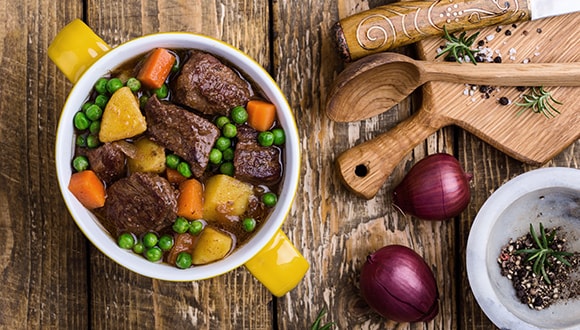
- slow-cooked stews.
After you’ve made a large batch, split it into individual portions and store in the fridge or freezer to pull out for dinner or lunch.
3. Opt for frozen fruit and vegetables
Frozen fruit and vegetables are a budget-friendly way to help your family get their recommended two serves of fruit and five serves of vegies a day.
While you might think fresh is best, vegetables are often blanched before they’re frozen, helping them retain their nutritional value.
Beans, broccoli and peas can be handy to keep in the freezer to help bulk out meals or add as a side to boost the nutritional content at dinner.
Canned fruit and veg can also be a cheaper alternative but find ones with less added salt and avoid those in syrup.
4. Buy seasonal and imperfect produce
When buying fresh, scan the fruit and veg aisles for what’s local and in season – it’ll generally be cheaper and taste great.
Visiting your local farmers-market or subscribing to a fruit and veg box service can also be a good way to find seasonal produce for less – and it will likely last longer in the fridge.
And don’t be afraid of ‘ugly’ imperfect fruit and veg that might look a bit odd but are perfectly safe to eat – especially in bulk recipes, preserving or stewing.
5. Choose long-life dairy options
Long-life – or UHT – milk can be a great, lower-cost alternative to fresh milk and has almost the same nutritional value as fresh milk. While it does have slightly less folate and other B vitamins because of how it’s processed, long-life milk is still rich in key nutrients like calcium and potassium – plus it has a longer shelf life.
6. Provide healthy, low-cost snacks
Buying processed snack foods may seem like the cheaper option, but whole food ingredients can keep kids feeling fuller for longer, while spending less. Good options include:
- chopped carrots, cucumbers, celery and capsicum dipped in hummus or tzatziki
- plain popcorn
- cheese with wholegrain crackers
- corn thins with peanut butter or sliced tomatoes
- fruit by itself or added to Greek-style yoghurt or in a smoothie.
Baking your own snacks can cost a fraction of supermarket products and be more nutritious. Whip up:
- muesli bars
- fruit or savoury muffins
- banana bread
- mini quiches.
7. Stretch your meat with plant-based extras
Research from the University of South Australia shows following a Mediterranean diet, which is heavily plant based, can save a family of four at least $28 a week compared with the typical Western diet.
“To promote cardiovascular health and reduce the risk of chronic disease, we recommend at least two plant-based meals per week,” says Ingrid. “But it’s still important to include a lean protein source in place of meat – that could be lentils, legumes, seeds or nuts, tofu or eggs.”
You can also make meat go further by adding other ingredients to create easy, inexpensive, healthy dinners. “Beans and lentils, for example, are a simple way to bulk out dishes like spaghetti or taco mince, curries and stews, while tofu is another inexpensive way to add protein,” she says.
8. Make the most of specials and discounts
- Shop around at different supermarkets, butchers and fruit and veg shops for the best deals.
- Use unit pricing to compare products and find the best value to save on foods across your weekly shop. For example, if a 125g punnet of blueberries costs $4.50 (unit price $36/kg), frozen blueberries at $11.60/kg would be a much cheaper option.
- Buy snacks like popcorn – or staples like canned lentils and legumes, oats, rice, pasta, seeds and nuts – in bulk when they’re on special.
- Check end-of-day specials on items nearing their ‘use by’ date – like bread, which can be frozen for sandwiches or toast.
- Eligible members can access personalised offers and earn rewards with the HCF Thank You app*. Unlock more ways to benefit from the brands you love, plus use your HCF dollars to reduce your premium payments^.
9. Keep your pantry stocked with the essentials
- Stock up on nutritious and budget-friendly items like oats, tinned beans and brown rice.
- Have tinned fish like tuna and salmon on hand for a quick and simple meal.
- Choose cheaper supermarket own-brand products for basics like flour, rice and tinned tomatoes.
Get expert-backed nutrition support
Eating well for less is even easier when you can access expert-backed tools at little to no cost. Eligible members can save on the 12-week or get access to the 16-week evidence-based CSIRO Total Wellbeing Diet+ program at no extra cost. Created by Australia’s national science agency, it combines a high-protein, low-GI eating plan with exercise and proven weight management tools to help improve habits and create lifelong positive behaviours.
Related articles
4 lunch ideas on a budget
Tired of unhealthy takeaway or the same old sandwich? These cheap and healthy lunch ideas will give you all the nutrients you need to take on the afternoon.
Healthy lunchbox ideas
Take the hassle out of the morning rush with these healthy lunchbox ideas and tips for making nutritious snacks – including these delicious chocolate muffins.
10 healthy food swaps
Managing your weight doesn’t have to be overwhelming. These healthy food swaps can support your wellbeing and give you more energy.
How to read food labels
Want to make healthier food choices and shop smarter? Reading food labels is an important first step. Here are some ways to increase your nutritional know-how.
IMPORTANT INFORMATION
* Eligibility criteria apply. For more information, see hcf.com.au/thank-you-app
^ Must have at least 20 HCF dollars in cleared funds. Only members who pay their premiums by credit card or direct debit can use their HCF dollars to reduce premiums.
+ Eligibility criteria apply. For more information, see hcf.com.au/csiro-total-wellbeing-diet
This communication contains information which is copyright to The Hospitals Contribution Fund of Australia Limited (HCF). It should not be copied, disclosed or distributed without the authority of HCF. Except as required by law, HCF does not represent, warrant and/or guarantee that this communication is free from errors, virus, interception or interference. All reasonable efforts have been taken to ensure the accuracy of material contained on this website. It’s not intended that this website be comprehensive or render advice. HCF members should rely on authoritative advice they seek from qualified practitioners in the health and medical fields as the information provided on this website is general information only and may not be suitable to individual circumstances or health needs. Please check with your health professional before making any dietary, medical or other health decisions as a result of reading this website.
